Author: RealEstateMarketingConsultant

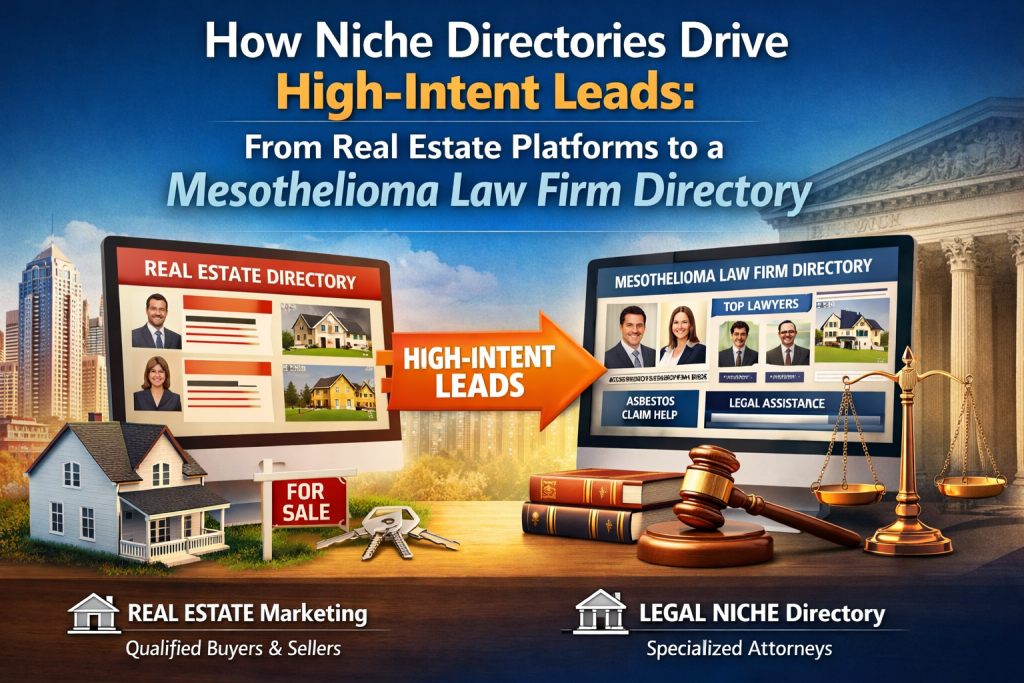
How Niche Directories Drive High-Intent Leads: From Real Estate Platforms to a Mesothelioma Law Firm Directory
mesothelioma law firm directory

Introduction: Why Niche Directory Marketing Still Works in 2026

In an era dominated by social media ads, AI-driven funnels, and short-form video content, many marketers underestimate one of the most consistent and high-intent lead generation channels available today: niche directories.

For professionals operating in competitive, high-value industries—such as real estate and legal services—directory-based marketing continues to outperform many trend-driven strategies when it comes to lead quality, conversion intent, and trust building.

This article explores niche directory marketing through a comparative lens, analyzing how real estate platforms generate motivated buyers and sellers, and how legal platforms—specifically a mesothelioma law firm directory—attract some of the highest-intent leads in the digital marketing ecosystem.


Understanding High-Intent Leads in Professional Services

Before comparing industries, it’s important to define what high-intent leads actually are.

High-intent leads typically:

  • Are actively searching for a solution
  • Have a clear problem and timeline
  • Are closer to a purchasing or hiring decision
  • Require fewer touchpoints before conversion

In both real estate lead generation and legal SEO, the cost per click (CPC) is high because the lifetime value (LTV) of a client is substantial. This makes directories—where intent is already filtered—especially powerful.


Niche Directory Marketing in Real Estate

Why Real Estate Directories Attract Qualified Leads

Real estate agents rely heavily on:

  • Local listing portals
  • Agent directories
  • Specialized platforms for buyers, sellers, or investors

Unlike social media traffic, visitors to these directories are usually:

  • Searching by location
  • Comparing professionals
  • Evaluating trust signals (reviews, experience, certifications)

This behavior places directory traffic lower in the funnel.

Key Trust Signals Used in Real Estate Platforms

Successful real estate directories emphasize:

  • Verified agent profiles
  • Local expertise
  • Client testimonials
  • Market-specific content

These elements reduce friction and accelerate decision-making.


The Legal Niche: Why It’s Even More Dependent on Directories

Legal Services and the Role of Intent

Legal services—especially highly specialized ones—depend even more on intent-driven traffic than real estate.

A person searching for a legal solution is often:

  • Facing a time-sensitive issue
  • Emotionally invested
  • Financially prepared to act

This is particularly true in niche practice areas such as asbestos litigation.


The Mesothelioma Law Firm Directory Model

A mesothelioma law firm directory is one of the clearest examples of high-intent niche directory marketing.

Unlike general legal directories, it serves:

  • A narrowly defined audience
  • With a specific, urgent legal need
  • Seeking experienced, specialized attorneys

According to insights shared by contributors from MesotheliomaLawFirmDirectory.com, directory visitors typically arrive after extensive research and are actively comparing representation options rather than browsing casually.

This mirrors buyer behavior on high-performing real estate agent platforms.


Comparative Analysis: Real Estate vs. Legal Directory Marketing

FactorReal Estate DirectoriesMesothelioma Law Firm Directory
Audience IntentHighExtremely High
Decision TimelineWeeks to monthsOften immediate
Emotional WeightModerate–HighVery High
CPC ValueHighAmong the highest in digital advertising
Trust ImportanceCriticalEssential

This comparison shows why niche directory marketing excels in both industries—and why legal directories often command even greater monetization potential.


SEO Foundations Shared by Both Niches

1. Search Intent Alignment

Both real estate and legal directories succeed because they match transactional and commercial search intent, not informational fluff.

2. Long-Tail Keyword Dominance

Examples include:

  • “best real estate agent in [city]”
  • “experienced mesothelioma attorney near me”

A mesothelioma law firm directory ranks effectively by structuring content around these long-tail, intent-rich searches.

3. Local and Authority-Based SEO

Both niches rely on:

  • Local SEO optimization
  • Structured data
  • Authority backlinks
  • Clear editorial standards

Trust as the Core Conversion Driver

Trust is the primary conversion factor in both industries.

In real estate, trust is built through:

  • Sales history
  • Local knowledge
  • Social proof

In legal services, especially asbestos-related cases, trust is reinforced by:

  • Case experience
  • Transparency
  • Educational resources
  • Clear vetting standards

Platforms like MesotheliomaLawFirmDirectory.com emphasize attorney credibility and specialization, reducing uncertainty for users making high-stakes decisions.


Monetization and AdSense Considerations

From a publisher’s perspective, both niches offer strong monetization opportunities—but legal directories operate at a different scale.

Legal-related keywords such as “mesothelioma attorney” or “asbestos lawyer” consistently rank among the highest CPC keywords in Google Ads.

For content-driven platforms, this means:

  • Higher RPM
  • Better advertiser competition
  • Stronger revenue per visitor

When integrated editorially (not forced), referencing a mesothelioma law firm directory within a marketing-focused article aligns naturally with AdSense policies.


Cross-Industry Lessons for Marketers

What Real Estate Marketers Can Learn from Legal Directories

  • Narrower targeting improves lead quality
  • Authority beats volume
  • Education builds conversion confidence

What Legal Directories Can Learn from Real Estate Platforms

  • UX and comparison tools matter
  • Clear differentiation increases engagement
  • Content clusters strengthen SEO visibility


Collaboration Value: Why Cross-Niche Content Works

A collaboration between RealEstateMarketingForAgents.com and MesotheliomaLawFirmDirectory.com makes sense because both platforms:

  • Serve professional service providers
  • Focus on lead quality over quantity
  • Rely on trust-based digital marketing models

Cross-linking within relevant, high-quality content strengthens:

  • Topical authority
  • Referral traffic
  • SEO trust signals

Backlink Strategy and Editorial Integrity

When linking to a mesothelioma law firm directory, best practices include:

  • Contextual placement within educational content
  • Natural anchor text usage
  • Clear relevance to marketing strategy discussions

This ensures backlinks are:

  • Editorially justified
  • Algorithm-safe
  • Value-driven for readers

The Future of Niche Directory Marketing

As AI-generated content floods search results, curated, authoritative directories are becoming more valuable—not less.

Google increasingly rewards:

  • Human-reviewed platforms
  • Real expertise
  • Clear editorial purpose

Both real estate and legal niches are positioned to benefit from this shift.


Conclusion: Why Niche Directories Will Continue to Win

Whether you’re generating seller leads for agents or connecting clients with specialized attorneys, the principle remains the same:

High-intent users prefer trusted, niche-specific platforms.

From real estate directories to a well-structured mesothelioma law firm directory, the model proves that:

  • Relevance beats reach
  • Authority beats automation
  • Intent beats traffic volume

For marketers, publishers, and professionals alike, niche directories remain one of the most effective—and sustainable—digital growth strategies available.
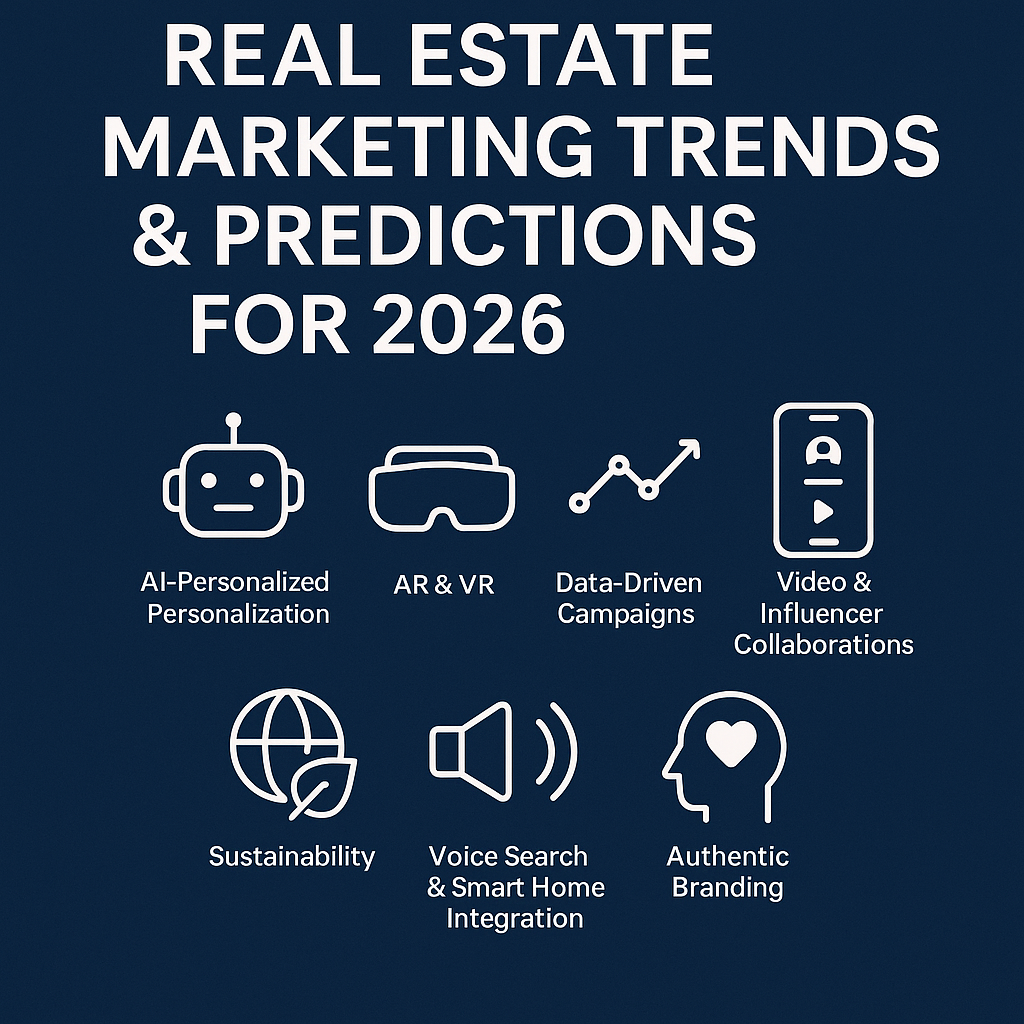
🏡 Real Estate Marketing Trends & Predictions for 2026

real estate marketing trends 2026

Introduction

The real estate market continues to evolve — fast. As we move into 2026, real estate marketing is becoming smarter, more immersive, and deeply personalized. Agents and marketing agencies that leverage the latest tools and consumer insights will not only stand out but thrive in an increasingly competitive landscape.

In this post, we’ll explore the top real estate marketing trends and predictions for 2026 — and how your agency can adapt to stay ahead.


1. 🤖 AI-Powered Personalization Transforms Real Estate Marketing

Artificial Intelligence (AI) will be the driving force behind real estate marketing in 2026. From automating client communication to predicting buyer behavior, AI tools will make campaigns smarter and more efficient.

What You’ll See:

  • Intelligent CRMs that automatically segment audiences.
  • Predictive analytics identifying buyers before they search.

Smart chatbots acting as 24/7 virtual property advisors.


2. 🕶️ AR & VR: The Future of Property Showcasing

Virtual Reality (VR) and Augmented Reality (AR) are no longer just futuristic gimmicks — they’re now central to property marketing strategies. By 2026, expect immersive 3D tours and AR-based home visualizations to become standard practice.

What’s Changing:

  • Buyers will “walk through” listings virtually before in-person visits.
  • AR tools will show interior design possibilities in real time.

Developers will market properties before construction is completed.

3. 📈 Data-Driven Campaigns and Predictive Targeting

With privacy laws evolving, first-party data will become every agency’s most valuable asset. Real estate marketing in 2026 will rely on analytics and predictive tools to reach the right audience at the right time.

Expect:

  • Smarter use of CRM data for precision marketing.
  • Predictive lead scoring for ad targeting.

Unified dashboards for real-time ROI tracking.

4. 🎥 Social Media Dominated by Video & Influencer Collaborations

Short-form video is taking over, and 2026 will see real estate agencies embracing creators and influencers for authentic promotion.

Where to Focus:

  • Instagram Reels & TikTok for quick property showcases.
  • YouTube Shorts for storytelling and client journeys.
  • LinkedIn for investment and B2B real estate partnerships.

Collaborating with local micro-influencers will boost credibility and reach within niche markets.

5. 🌱 Sustainability: The New Selling Point

In 2026, eco-friendly real estate marketing won’t be optional — it’ll be expected. Modern buyers care about sustainability and want to invest in properties that reflect those values.

How to Adapt:

  • Emphasize energy-efficient and green-certified listings.
  • Create campaigns highlighting sustainability and community impact.
  • Partner with eco-conscious brands for co-marketing opportunities.

6. 🔊 Voice Search & Smart Home Integration

With smart home devices on the rise, voice search optimization will be crucial for discoverability. Real estate marketers will need to adapt their SEO strategies accordingly.

What’s Next:

  • Optimize listings for voice queries like “homes near me with solar panels.”
  • Use conversational keywords in your content.

Highlight smart home features in property descriptions and ads.

7. 🧠 Authentic Branding & Human Connection

Amid AI and automation, authenticity will set agencies apart. Buyers want transparency, human connection, and trust.

Build Real Relationships:

  • Showcase your team and client success stories.
  • Host live Q&As, webinars, or educational workshops.

Focus on storytelling rather than hard selling.

📊 Conclusion: The Future of Real Estate Marketing Is Adaptive

The future of real estate marketing in 2026 belongs to agencies that innovate while keeping the human touch. Combining AI-driven insights, immersive experiences, and sustainable storytelling will be the formula for success.

The key is not just following these trends — but integrating them into your agency’s DNA to deliver value-driven, memorable experiences that turn prospects into lifelong clients.


🧭 Key Takeaways

  • AI and automation will personalize every interaction.
  • AR/VR experiences will make virtual tours the new standard.
  • Data and analytics will drive smarter, measurable decisions.
  • Sustainability and authenticity will win customer trust.
  • Video and voice marketing will dominate digital visibility.

💼 Ready to Future-Proof Your Real Estate Marketing?

Stay ahead of the competition.
👉 Contact Us today for a free consultation on how to future-proof your real estate marketing strategy for 2026.

Guide: The Future Of Real Estate Business

The Future of Real Estate Business

1. Introduction

  • Brief overview of the evolving real estate industry
  • How technology, shifting demographics, and market trends are shaping the future
  • Why real estate professionals must adapt to stay competitive

2. PropTech: The Digital Transformation of Real Estate

  • What is PropTech?
  • Smart homes, IoT, and AI-driven property management
  • Blockchain for secure transactions & smart contracts
  • Virtual and augmented reality for property tours

3. The Rise of Virtual & Digital Real Estate

  • What is virtual real estate? (Metaverse land, NFT-based properties)
  • How digital real estate (domains, websites) is reshaping investment opportunities
  • Monetization strategies for virtual real estate investors

4. AI & Big Data in Real Estate

  • Predictive analytics for market trends and property valuation
  • AI-powered chatbots and virtual assistants for customer service
  • Personalized marketing through data-driven insights

5. Changing Buyer and Seller Behavior

  • Millennials & Gen Z: How they buy, sell, and invest differently
  • The rise of remote work and its impact on housing demand
  • The growing importance of sustainability in real estate

6. The Future of Real Estate Investment

  • Fractional real estate investing and crowdfunding platforms
  • Tokenization of properties through blockchain
  • The role of REITs (Real Estate Investment Trusts) in the digital age

7. The Role of Automation & Smart Contracts

  • How automation is streamlining transactions
  • The impact of decentralized finance (DeFi) on real estate loans
  • Eliminating middlemen with blockchain-powered smart contracts

8. Sustainable & Eco-Friendly Real Estate Trends

  • The shift toward green buildings and energy-efficient homes
  • Smart cities and urban planning innovations
  • Government policies driving sustainable real estate

9. The Evolution of Real Estate Marketing & Lead Generation

  • Social media & influencer marketing in real estate
  • AI-driven targeted advertising and lead generation
  • Virtual open houses and 3D property showcases

10. Conclusion & Call to Action

  • The key takeaways from the guide
  • Why real estate professionals must embrace these trends
  • Next steps: How to future-proof your real estate business

🚀 Stay ahead of the competition! Are you ready for the future of real estate? Let’s connect and discuss how you can leverage these trends.

Digital Real Estate vs. Virtual Real Estate: What’s the Difference?

In today’s tech-driven world, the concept of real estate has expanded beyond physical properties. Two emerging terms—digital real estate and virtual real estate—often get confused. While they share similarities, they serve different purposes. Let’s break it down.

what is digital real estate

What is Digital Real Estate?

Digital real estate refers to online assets that hold value and generate income, similar to physical properties. These assets can be bought, sold, rented, or monetized.

Examples of Digital Real Estate:

Websites & Domains – Owning a high-traffic website (e.g., blogs, eCommerce stores)
Social Media Accounts – Large followings on Instagram, YouTube, or TikTok
Email Lists – Subscriber lists with engaged audiences
Online Businesses – Digital storefronts, SaaS platforms, or affiliate marketing sites
Advertising Space – Monetized platforms with ad revenue

🔹 Think of digital real estate as “internet property” that produces revenue, similar to renting out a storefront in the real world.


what is virtual real estate

What is Virtual Real Estate?

Virtual real estate exists inside digital worlds, often in the form of land, buildings, or assets within the metaverse. These are bought, sold, and developed inside platforms like Decentraland, The Sandbox, or Roblox.

Examples of Virtual Real Estate:

Metaverse Land – Plots in Decentraland, Sandbox, or Otherside
NFT-Based Properties – Digital real estate tied to blockchain ownership
Virtual Billboards & Event Spaces – Used for advertising and concerts
Gaming Assets – Land, houses, or businesses in games like Minecraft or Fortnite

🔹 Virtual real estate is like a “parallel world” where digital landowners can create businesses, host events, and sell properties just as in real life.


Key Differences: Digital vs. Virtual Real Estate

FeatureDigital Real EstateVirtual Real Estate
LocationWebsites, social media, digital assetsMetaverse platforms & virtual worlds
Ownership TypeDomains, accounts, online businessesBlockchain-based land (NFTs)
MonetizationAds, affiliate sales, digital productsVirtual events, metaverse rentals, NFT sales
AccessibilityAny internet userRequires metaverse platforms & crypto
Investment ModelSEO, traffic growth, audience buildingBuying/selling virtual land, gaming economy

Digital Real Estate vs. Virtual Real Estate: Key Differences Explained

While both digital and virtual real estate exist in the online world, they operate under different ownership models, monetization strategies, and investment approaches. Here’s a breakdown of their key differences in a listicle format for better clarity:

1. Location: Where Do These Assets Exist?

  • Digital Real Estate → Websites, social media pages, domain names, online businesses, and other digital properties hosted on the internet.
  • Virtual Real Estate → Land, buildings, and properties within metaverse platforms like Decentraland, The Sandbox, and Otherside.

Example: Owning a high-ranking website (digital real estate) vs. owning a plot of land in The Sandbox (virtual real estate).

2. Ownership Type: What Do You Actually Own?

  • Digital Real Estate → Domains, social media accounts, YouTube channels, digital brands, and monetized blogs. Ownership is based on registrations, licenses, or business ownership.
  • Virtual Real Estate → Blockchain-based land and assets stored as NFTs (non-fungible tokens), providing verified ownership within the metaverse.

✅ Example: Buying a domain like RealEstateEmpire.com (digital) vs. buying a virtual mansion in Decentraland (virtual).

3. Monetization: How Do You Make Money?

  • Digital Real Estate → Revenue comes from ads, affiliate marketing, selling digital products, memberships, and sponsorships.
  • Virtual Real Estate → Earn through NFT sales, virtual event spaces, metaverse rentals, digital billboards, or virtual business development.

Example: A website generates income from Google AdSense, while a virtual casino in the metaverse earns revenue from players.

4. Accessibility: Who Can Use It?

  • Digital Real Estate → Open to any internet user with access to websites, social media, and digital platforms.
  • Virtual Real Estate → Requires metaverse platforms, VR technology, and cryptocurrency wallets to participate.

Example: Anyone can start a blog, but owning and managing virtual land requires understanding blockchain, crypto, and NFTs.

5. Investment Model: How Do You Build Value?

  • Digital Real Estate → Grows through SEO, traffic building, social media audience expansion, and content marketing.
  • Virtual Real Estate → Involves buying and selling virtual land, developing gaming economies, and metaverse-based business strategies.

✅ Example: Scaling a popular e-commerce website (digital) vs. flipping a premium metaverse property after its value appreciates (virtual).

Which One is Right for You?

Both digital and virtual real estate offer profitable opportunities, but they require different skill sets:

  • If you prefer SEO, content, and audience-building, go for digital real estate.
  • If you believe in the metaverse and blockchain economy, virtual real estate might be the future for you.

🚀 Which type of digital asset are you investing in? Let’s discuss in the comments!

Which One is the Better Investment?

🔹 Digital Real Estate: Best for those looking for traditional online income—websites, social media growth, or eCommerce.

🔹 Virtual Real Estate: Ideal for investors exploring the metaverse and Web3 opportunities, with potential for long-term appreciation.Both digital and virtual real estate are shaping the future of online business and investment. The right choice depends on whether you want to own income-generating websites or build assets in the metaverse. 🚀

21 Ways to Make Money Online with Real Estate (with BONUS 7 More Ways)

Making money online with a real estate business can be done in several ways, depending on your expertise, resources, and business model. Here are some effective methods:

1. Real Estate Affiliate Marketing

  • Partner with real estate platforms like Zillow, Realtor.com, or Airbnb and earn commissions for referrals.
  • Promote properties, real estate tools, or investment platforms through blogs, social media, or YouTube.

We strongly recommend that you check out our guide on how to make money online with real estate.

2. Online Real Estate Brokerage

  • Start a virtual real estate agency where you help buyers and sellers connect.
  • Use digital marketing, SEO, and social media to attract leads.

3. Virtual Property Flipping

  • Buy undervalued properties online through auction websites, fix them up virtually (with contractors), and resell them for profit.
  • Use platforms like Zillow, Redfin, and LoopNet to find deals.

4. Rental Arbitrage (Airbnb Subletting)

  • Lease properties and rent them out on Airbnb or Vrbo at a higher price.
  • Use online tools like AirDNA to find profitable rental markets.

5. Real Estate Crowdfunding

  • Invest in properties online through crowdfunding platforms like Fundrise, RealtyMogul, or CrowdStreet.
  • Earn passive income from rental properties without owning them directly.

6. Real Estate Blogging 

  • Share real estate insights, property analysis, and market trends.
  • Monetize with ads, sponsorships, and affiliate links.

7. Online Real Estate Courses & Coaching

  • Teach people how to invest in real estate through online courses, webinars, or one-on-one coaching.
  • Sell courses on platforms like Udemy, Teachable, or Kajabi.

8. Digital Real Estate (Metaverse & Domains)

  • Invest in virtual properties on platforms like Decentraland or Sandbox.
  • Buy and sell domain names related to real estate (e.g., “LuxuryHomesNYC.com”).

9. Real Estate Lead Generation

  • Build a website to generate leads for realtors, brokers, or property managers.
  • Sell high-quality leads to real estate professionals.

10. Real Estate Software & Apps

  • Create or promote real estate CRM software, property valuation tools, or rental management apps.
  • Earn through subscriptions, ads, or affiliate programs.

11. Flipping Real Estate WebsitesReal Estate Lead Generation

.

  • Buy real estate listing websites or create one from scratch.
  • Optimize and sell it for a higher price on platforms like Flippa

12. Investing in REITs (Real Estate Investment Trusts)

  • Buy shares in REIT funds, which provide passive income from rentals and property appreciation.
  • You can invest online through platforms like eToro or Robinhood.

13. Online Real Estate Marketing & Advertising

  • Start a digital agency helping real estate agents attract clients through Facebook ads, Google Ads, or SEO.
  • .Sell promotional services to real estate developers.

14. Virtual Staging for Real Estate

  • Offer professional virtual staging and 3D tour services for real estate agents.
  • Use AI tools like Interior AI or VR technology for interactive presentations.

15. Creating and Selling Real Estate Contracts & Documents

  • Sell rental agreements, purchase contracts, or agency agreements as templates.
  • You can market them on platforms like Etsy or Shopify.

16. Online Property Management Services

  • Manage rental properties for investors and landlords by handling tenants, payments, and maintenance.
  • Use platforms like Buildium or AppFolio for property management.

17. Dropshipping Real Estate-Related Products

  • Sell products online for homeowners and real estate investors, such as home accessories, furniture, smart home systems, etc.
  • Use Shopify or Amazon to start.

18. Creating a Real Estate Mobile App

  • Develop an app for property valuation, property management, or rental price comparison.
  • Monetize through ads, subscriptions, or commissions.

19. Real Estate Data Analysis & Research

  • Sell real estate market analysis reports to investors, agents, and real estate companies.
  • Use data analysis software like Tableau or Google Data Studio.

20. Chatbots & AI Assistants for Real Estate Agents

  • Develop and sell chatbots that automatically respond to client inquiries on real estate agency websites.
  • Use platforms like ManyChat or ChatGPT API for implementation.

21. Creating a YouTube Channel About Real Estate

  • Post home tours, investment advice, or market analysis.
  • Monetize through AdSense, sponsorships, affiliate links and collaborations.

BONUS:  7 More Ways For Make Money Online with Real Estate

I. Creating an Online Real Estate Marketplace

    • Build a website or app where sellers and buyers can trade properties.
    • Monetize through listing fees, premium subscriptions, or commissions.

       II.  Copywriting Services for Real Estate Listings

    • Write compelling property descriptions, ad copy, and email marketing campaigns.
    • Work with real estate agencies or developers to improve their listings.

        III.  Creating a Review Blog for Properties and Developers

    • Write reviews about real estate projects, neighborhoods, and developers.
    • Earn from affiliate marketing, sponsorships, and ads.

        IV.  Investing in Virtual Land (Metaverse Real Estate)

    • Buy and sell digital land on platforms like Decentraland, The Sandbox, or Otherside.
    • Rent or develop these spaces for virtual businesses.

         V.  Starting a Social Media Agency for Real Estate

    • Offer social media management services for real estate agents.
    • Create viral content, ads, and promotional strategies.

    VI. Creating an Online Real Estate Auction Platform

    • Develop a website where property owners can auction their homes to investors.
    • Earn commissions on successful transactions.

         VII. Selling Real Estate Infographics and Guides

    • Create and sell PDF guides on investing, buying a home, or rental strategies.
    • Market them on Etsy, Gumroad, or your own website.

    These methods allow you to start making money online in real estate without owning properties!

    Conclusion

    The real estate industry offers numerous opportunities to generate income online, whether you choose to invest directly in properties, provide digital services to real estate agents, or create platforms and valuable content for investors and buyers. Each method presented has the potential to become a profitable business, and success depends on implementing a well-thought-out strategy and effectively using digital resources.If you’re ready to start, identify the method that best suits your skills and budget, create an action plan, and begin monetizing real estate opportunities online. With persistence and innovation, you can build a stable source of income and even scale your business globally. Which strategy will you implement first?

    How To Make Money Online With Real Estate

    Guide: How to Make Money Online with Real Estate – For Beginners, with Personal Examples

    Introduction

    • Why real estate is a great opportunity to make money online
    • Myths vs. reality about online real estate investments
    • My personal experience with digital real estate

    Part 1: Basic Concepts in Online Real Estate

    1. What Does It Mean to Make Money Online from Real Estate?
      • The difference between traditional and digital real estate investments
      • Online business models based on real estate
    2. How to Start Without a Large Capital?
      • Low-cost and risk-free strategies
      • My experience with my first online real estate project

    Part 2: Best Methods to Make Money Online with Real Estate

    1. Investing in REITs and Real Estate Crowdfunding
      • What REITs are and how to invest without directly buying properties
      • Personal examples of passive investments
    2. Flipping Real Estate Websites and Marketplaces
      • How I bought and sold a real estate listing website
      • Essential steps for success
    3. Airbnb Arbitrage and Short-Term Rentals
      • Renting properties without owning them
      • How to choose profitable locations and optimize listings
    4. Blogging and Affiliate Marketing in Real Estate
      • Creating a niche blog to generate passive income
      • Real examples of commissions earned through affiliate marketing
    5. Creating and Selling Real Estate Courses and Consulting Services
      • How to monetize your real estate knowledge
      • My experience selling guides and online coaching
    6. Photography and Virtual Tours for Real Estate Agencies
      • Freelancing opportunities in the real estate industry
      • A friend’s story of turning real estate photography into an online business
    7. Investing in Virtual Land and Digital Real Estate
      • What “digital real estate” is and my experiments in the Metaverse
      • Risks and long-term opportunities

    Part 3: How to Scale Your Online Real Estate Business

    1. Automation and Delegation
      • What processes you can automate to save time
      • Examples of useful tools and services
    2. Building a Personal Brand in Real Estate
      • How to become an online authority in the real estate industry
      • My experience with social media and networking in this field
    3. Mistakes to Avoid and Lessons Learned
      • The most common mistakes beginners make
      • Personal stories of failures and how I overcame them

    Conclusion and Next Steps

    • Recap: The best methods for beginners
    • The first 3 steps you can take today
    • Call to action: Start now

    How To Invest In Real Estate for Passive Income

    Course Title: How To Invest In Real Estate for Passive Income

    Course Objective: Participants will learn practical and profitable strategies to generate passive income from real estate investments, based on real-world experience and case studies.

    Course Structure:

    Module 1: Foundations of Real Estate Investing for Passive Income

    • Introduction to the concept of passive income through real estate
    • The successful investor’s mindset
    • Real estate market analysis: how to identify opportunities
    • Setting financial goals and investment strategies
    • Case study: My first investment – lessons learned and results

    Module 2: Investing in Residential Properties for Rent

    • Identifying suitable rental properties
    • Calculating return on investment (ROI) and cash flow
    • Strategies for attracting and retaining tenants
    • Property management: from contracts to maintenance
    • Case study: My residential property portfolio – performance and challenges

    Module 3: Investing in Renovated and Resold Properties (Flipping)

    • Identifying properties with renovation potential
    • Calculating renovation costs and estimated profit
    • Managing renovation projects: from design to execution
    • Strategies for quick and profitable sales
    • Case study: My most profitable flipping projects – success analysis

    Module 4: Investing in Commercial Properties for Rent

    • Differences between residential and commercial properties
    • Identifying profitable types of commercial properties
    • Negotiating lease agreements with commercial tenants
    • Managing commercial properties: specifics and challenges
    • Case study: My investment in commercial spaces – advantages and disadvantages

    Module 5: Investing in Land and Real Estate Development

    • Identifying land with development potential
    • The real estate development process: from acquisition to sale
    • Collaborating with architects, builders, and local authorities
    • Managing risks in development projects
    • Case study: My residential development project – from idea to realization

    Module 6: Investing in Short-Term Rental Properties (Airbnb)

    • Identifying suitable locations for short-term rentals
    • Furnishing and promoting properties for tourists
    • Managing bookings, cleaning, and guest interaction
    • Optimizing revenue through dynamic pricing strategies
    • Case study: My Airbnb experience – profits and challenges

    Module 7: Investing in REITs (Real Estate Investment Trusts)

    • What REITs are and how they work
    • Advantages and disadvantages of investing in REITs
    • Analyzing REIT performance and selecting profitable ones
    • Integrating REITs into the real estate investment portfolio
    • Personal examples: REITs in my portfolio – performance and diversification

    Module 8: Investing in Real Estate Crowdfunding

    • How real estate crowdfunding platforms work
    • Advantages and disadvantages of crowdfunding investments
    • Analyzing projects and selecting those with potential
    • Managing risks and diversifying investments
    • Personal examples: Real estate crowdfunding projects I’ve invested in

    Module 9: Advanced Real Estate Investment Financing Strategies

    • Using leverage to maximize profit
    • Creative financing: from partnerships to purchase options
    • Negotiating with financial institutions for advantageous loans
    • Debt management and cash flow optimization
    • Personal examples: Innovative financing strategies I’ve applied

    Module 10: Risk Management and Protecting Real Estate Investments

    • Identifying and assessing risks in real estate investments
    • Risk minimization strategies: insurance, diversification, due diligence
    • Protecting assets through appropriate legal structures
    • Estate planning and wealth transfer
    • Case study: How I managed crisis situations in my investments

    Throughout the Course:

    • Q&A sessions
    • Practical exercises and case studies
    • Access to useful resources and tools
    • Networking with other participants

    Personal Experience:

    • In each module, I will share my personal experiences, both successes and failures, to provide a realistic perspective on real estate investing.
    • I will present concrete examples from my investment portfolio, analyzing performance and lessons learned.
    • I will offer practical advice and tested strategies based on my experience as a real estate investor.

    Stop Dreaming of Financial Freedom, Build It!

    Are you tired of trading time for money? Do you want to create a passive income stream that allows you to live the life you deserve? Then the “How To Invest In Real Estate for Passive Income” course is the solution!

    Imagine:

    • What it would be like to receive consistent income, even while you sleep?
    • What it would be like to have more time for yourself and your loved ones?
    • What it would be like to build a real estate portfolio that ensures a secure financial future?

    Now you can turn these dreams into reality!

    In this course, you will learn:

    • The 10 most profitable real estate investment strategies.
    • How to identify hidden opportunities in the real estate market.
    • How to calculate return on investment and manage risks.
    • How to build a diversified and profitable real estate portfolio.

    And most importantly: you will learn from my personal experience!

    I will share my successes and failures with you, providing a realistic and practical perspective on real estate investing.

    Don’t miss this unique opportunity!

    For just $297, you will have access to valuable information and proven strategies that will help you achieve your financial goals.

    Enroll now and start your journey to financial freedom!

    Click here to enroll: [Your enrollment link]

    Spaces are limited!

    Don’t delay! Your financial future depends on your actions today!

    How To Buy A House Without Emotions

    Before the Transaction: Keep a Cool Head
    🔹 Dream or Trap? How to Temper Your Enthusiasm
    🔹 Emotional Survival Guide for the First Viewing
    🔹 Cold List vs. Hot List: What You Want vs. What You Can Afford
    🔹 How Not to Fall in Love with the First House You See
    🔹 Logic-Based Decisions, Not Impulsive Ones

    During the Transaction: Don’t Get Caught in the Swirl
    🔹 Stress-Free Negotiation: 5 Master Tricks
    🔹 The Offer Game: When to Walk Away, When to Push
    🔹 Paperwork, Banks, and Lawyers: Take Control of the Situation
    🔹 Real Estate FOMO: Why “Last Chance” is an Illusion

    After the Transaction: Enjoy Without Regrets
    🔹 The “I Overpaid!” Syndrome – How to Overcome It
    🔹 The First 30 Days: Emotions, Adaptation, and Reality
    🔹 How to Build an Emotional Connection with Your New Home
    🔹 Investment, Not Burden: Think Long-Term

    How to Start Real Estate Investment Trust

    The Ultimate Guide to Real Estate Investment Trusts (REITs) for Beginners

    Introduction: REITs – Your Ticket to Real Estate Wealth (Without Buying Property!)

    • Quick hook: “Ever wanted to invest in real estate without dealing with tenants, repairs, or mortgages? Welcome to the world of REITs!”
    • Brief overview of what REITs are and why they matter.
    • Who this guide is for: Beginners looking for passive income & real estate exposure.
    • What you’ll learn in this guide.

    1. What Exactly Is a REIT? (And Why Should You Care?)

    • Simple definition: A Real Estate Investment Trust (REIT) explained in plain English.
    • How REITs work: Think of them like mutual funds, but for real estate.
    • Why investors love them: Passive income, diversification, and accessibility.

    2. How Do REITs Actually Make Money?

    • The business model: How REITs generate income through rent, property appreciation, and dividends.
    • Example: A shopping mall REIT and how it profits from tenants.
    • The real reason people invest in REITs: Consistent dividend payouts!

    3. The Different Types of REITs (Which One is Right for You?)

    • Equity REITs – Own & manage properties.
    • Mortgage REITs (mREITs) – Invest in real estate loans.
    • Hybrid REITs – A mix of both.
    • Public vs. Private REITs – Which one should a beginner consider?

    4. How to Start Investing in REITs (Step-by-Step Guide)

    • Step 1: Choose between publicly traded REITs, private REITs, or REIT ETFs.
    • Step 2: Open a brokerage account (if investing in publicly traded REITs).
    • Step 3: Research & analyze REIT performance (look at dividend yield, property portfolio, etc.).
    • Step 4: Invest and set up automatic reinvestment for compound growth.

    5. Top 5 Largest REITs & Why They Matter

    • Quick breakdown of 5 major REITs and what they specialize in.
    • Examples: Prologis (Industrial REIT), Realty Income (Retail REIT), etc.

    6. How Much Money Do You Need to Start? (It’s Less Than You Think!)

    • Myth: You need thousands to start investing in REITs.
    • Reality: Some REIT ETFs allow you to start with as little as $50!
    • Pro Tip: Fractional investing lets you own a piece of high-value REITs with small amounts.

    7. The Pros & Cons of REIT Investing

    ✅ Pros:

    • Passive income through dividends.
    • No landlord headaches.
    • Diversification across multiple properties.

    ❌ Cons:

    • Subject to market volatility.
    • Some REITs have high fees.
    • Tax implications of REIT dividends.

    8. Common Mistakes Beginners Make (And How to Avoid Them!)

    • Investing without researching the REIT’s track record.
    • Chasing high dividend yields without checking sustainability.
    • Not understanding tax treatment on REIT income.

    9. Is Investing in REITs Right for You? (Let’s Find Out!)

    • Who should invest in REITs? Great for passive investors, retirees, and diversification seekers.
    • Who might NOT benefit from REITs? If you want full control over properties or fast appreciation, REITs may not be for you.

    10. Next Steps: How to Start Your REIT Investing Journey Today

    • Recap of key takeaways.
    • Recommended resources & platforms to start investing.
    • Encouragement to take action: “The best way to learn is to start!”

    Conclusion: Your Passive Income Journey Starts Now!

    If you’re ready to start building wealth through REITs, open your brokerage account today and make your first investment!

    Fast Credit Lines: The Secret to Business Credit Shocking My Results (Must Read)

    How To Buy Real Estate With 0 Down Payment Using Business Credit My Journey to Financial Freedom with Fast Credit Lines Inner Circle

    For years, I felt like I was trapped in a financial hamster wheel. My personal credit was… well, let’s just say it wasn’t pretty. And the idea of starting a business? Laughable. I couldn’t even qualify for a decent credit card, let alone secure funding for a venture. I’d heard whispers of business credit, but it seemed like a secret society with an impossible-to-crack code. I was drowning in overwhelm and honestly, a bit of despair. Then, I stumbled upon Fast Credit Lines Inner Circle, and my financial life took a dramatic turn.

    I’ll admit, I was skeptical at first. So many programs promise the moon and deliver… well, nothing. But the comprehensive nature of Fast Credit Lines Inner Circle intrigued me. It wasn’t just about personal credit, or just about business credit, it was about the whole picture.

    The “Build Your Personal Credit” module ($499 value) was a revelation. It wasn’t just the usual generic advice. They pulled back the curtain and showed me exactly what was impacting my score and, more importantly, how to fix it. I finally understood what was happening behind the scenes. It felt like someone had handed me the instruction manual to my own financial life. Within a month, I saw a noticeable improvement in my credit score. Something I hadn’t been able to achieve in years of trying different “credit repair” methods.

    But the real game-changer was the “Build Your Business Credit” module ($997 value). This was the information I had been desperately searching for. The step-by-step guide through the rounds of tradelines was incredibly clear and easy to follow. No more guessing, no more cold calling, just a solid, actionable plan. They held my hand through the entire process, and I started seeing my business credit profile take shape. It was exhilarating!

    And then there was the “Business Formation Secrets” module ($1,400 value). This was something I hadn’t even considered. They explained how the structure of your business impacts your ability to access credit. It was a lightbulb moment! I realized I had been going about things completely the wrong way. This module alone was worth the price of admission.

    The “HIGH LIMIT — NO PG Credit Lines” module ($2,700 value) was the cherry on top. The idea of securing business credit lines without a personal guarantee seemed like a distant dream. But Fast Credit Lines Inner Circle made it a reality. This was the key to unlocking the funding I needed to finally launch my business.

    I haven’t personally explored the “Business Acquisitions” module ($2,999 value) yet, but the potential is mind-blowing. The idea of acquiring businesses with existing credit lines is something I’m definitely going to dive into as my business grows. It opens up a whole new world of possibilities.

    Fast Credit Lines Inner Circle isn’t just a course; it’s a community. The support and guidance I’ve received have been invaluable. It’s like having a team of financial experts in my corner.

    If you’re struggling with your credit, whether personal or business, and you’re serious about taking control of your financial future, I wholeheartedly recommend Fast Credit Lines Inner Circle. It’s an investment in yourself, and it’s one of the best decisions I’ve ever made. It’s not a magic bullet, it requires work, but it provides the roadmap and the support you need to achieve real, lasting financial freedom. It certainly changed my life.

    Struggling with credit? My Fast Credit Lines Inner Circle review reveals how I went from financial despair to high-limit business credit. Discover the secrets to building personal & business credit, no PG loans, and even acquiring businesses.

    Is it a scam or a game-changer? Find out here!