Category: REAL ESTATE MARKETING MATERIALS

real estate marketing materials

🏡 Real Estate Marketing Trends & Predictions for 2026

real estate marketing trends 2026

Introduction

The real estate market continues to evolve — fast. As we move into 2026, real estate marketing is becoming smarter, more immersive, and deeply personalized. Agents and marketing agencies that leverage the latest tools and consumer insights will not only stand out but thrive in an increasingly competitive landscape.

In this post, we’ll explore the top real estate marketing trends and predictions for 2026 — and how your agency can adapt to stay ahead.


1. 🤖 AI-Powered Personalization Transforms Real Estate Marketing

Artificial Intelligence (AI) will be the driving force behind real estate marketing in 2026. From automating client communication to predicting buyer behavior, AI tools will make campaigns smarter and more efficient.

What You’ll See:

  • Intelligent CRMs that automatically segment audiences.
  • Predictive analytics identifying buyers before they search.

Smart chatbots acting as 24/7 virtual property advisors.


2. 🕶️ AR & VR: The Future of Property Showcasing

Virtual Reality (VR) and Augmented Reality (AR) are no longer just futuristic gimmicks — they’re now central to property marketing strategies. By 2026, expect immersive 3D tours and AR-based home visualizations to become standard practice.

What’s Changing:

  • Buyers will “walk through” listings virtually before in-person visits.
  • AR tools will show interior design possibilities in real time.

Developers will market properties before construction is completed.

3. 📈 Data-Driven Campaigns and Predictive Targeting

With privacy laws evolving, first-party data will become every agency’s most valuable asset. Real estate marketing in 2026 will rely on analytics and predictive tools to reach the right audience at the right time.

Expect:

  • Smarter use of CRM data for precision marketing.
  • Predictive lead scoring for ad targeting.

Unified dashboards for real-time ROI tracking.

4. 🎥 Social Media Dominated by Video & Influencer Collaborations

Short-form video is taking over, and 2026 will see real estate agencies embracing creators and influencers for authentic promotion.

Where to Focus:

  • Instagram Reels & TikTok for quick property showcases.
  • YouTube Shorts for storytelling and client journeys.
  • LinkedIn for investment and B2B real estate partnerships.

Collaborating with local micro-influencers will boost credibility and reach within niche markets.

5. 🌱 Sustainability: The New Selling Point

In 2026, eco-friendly real estate marketing won’t be optional — it’ll be expected. Modern buyers care about sustainability and want to invest in properties that reflect those values.

How to Adapt:

  • Emphasize energy-efficient and green-certified listings.
  • Create campaigns highlighting sustainability and community impact.
  • Partner with eco-conscious brands for co-marketing opportunities.

6. 🔊 Voice Search & Smart Home Integration

With smart home devices on the rise, voice search optimization will be crucial for discoverability. Real estate marketers will need to adapt their SEO strategies accordingly.

What’s Next:

  • Optimize listings for voice queries like “homes near me with solar panels.”
  • Use conversational keywords in your content.

Highlight smart home features in property descriptions and ads.

7. 🧠 Authentic Branding & Human Connection

Amid AI and automation, authenticity will set agencies apart. Buyers want transparency, human connection, and trust.

Build Real Relationships:

  • Showcase your team and client success stories.
  • Host live Q&As, webinars, or educational workshops.

Focus on storytelling rather than hard selling.

📊 Conclusion: The Future of Real Estate Marketing Is Adaptive

The future of real estate marketing in 2026 belongs to agencies that innovate while keeping the human touch. Combining AI-driven insights, immersive experiences, and sustainable storytelling will be the formula for success.

The key is not just following these trends — but integrating them into your agency’s DNA to deliver value-driven, memorable experiences that turn prospects into lifelong clients.


🧭 Key Takeaways

  • AI and automation will personalize every interaction.
  • AR/VR experiences will make virtual tours the new standard.
  • Data and analytics will drive smarter, measurable decisions.
  • Sustainability and authenticity will win customer trust.
  • Video and voice marketing will dominate digital visibility.

💼 Ready to Future-Proof Your Real Estate Marketing?

Stay ahead of the competition.
👉 Contact Us today for a free consultation on how to future-proof your real estate marketing strategy for 2026.


MicroBanking Method – A Revolutionary Approach or Just Another Promise for Aspiring Real Estate Investors?

In the world of real estate investing, every new strategy seems to promise incredible earnings, but few actually live up to expectations. When I first heard about the MicroBanking Method, I was skeptical. The promise of generating up to $25,000 per month without purchasing properties, flipping, or Airbnb sounded too good to be true. However, I decided to test this method and share my experience with you.

What is the MicroBanking Method?

MicroBanking is a method developed by Rick Melero, a real estate expert with over 20 years of experience. The idea behind this method is to provide financing for real estate investors who need quick capital. Essentially, instead of buying and managing properties, you become a sort of “banker” for investors. In an unstable real estate market, this strategy offers a safer alternative to traditional methods.

My Personal Experience with the MicroBanking Method

Before diving into this method, I attended the free training offered by Rick Melero. The course was well-structured, providing a clear overview of how MicroBanking works. I appreciated that it wasn’t just a sales pitch—it actually contained useful information.

After the training, I decided to test the strategy. The process was simpler than I expected, but it required a clear understanding of the market and a network of investors to work with. The initial results were promising, and the returns I achieved proved that this method can work, but it’s not for everyone. You need patience, learning, and proper application of MicroBanking principles to see consistent profits.

Value for Money – Is It Worth the Investment?

The MicroBanking Method comes with multiple options, from free training to advanced programs that require a larger financial investment. If you’re willing to learn and get seriously involved, then yes, the method can justify its price. However, if you’re a beginner looking for a quick way to make money with minimal effort, you might be disappointed.

Compared to other traditional real estate methods, MicroBanking requires less initial capital and offers greater flexibility. Alternatives could include investing in REITs (Real Estate Investment Trusts) or real estate crowdfunding, but these don’t provide the same level of control and may have lower returns.

Final Verdict

The MicroBanking Method is not a get-rich-quick scheme, but rather a smart investment strategy that requires involvement and knowledge. If you already have experience in real estate or are willing to learn, this method could be an excellent opportunity. If not, then it might be better to explore other, more accessible options.

For those interested, I recommend starting with Rick Melero’s free training. That way, you can see if this method is right for you without any initial financial risk.

What do you think about the MicroBanking Method? Would you try this strategy, or do you prefer traditional real estate methods?

How to Buy Foreclosed Homes with No Money

Course Title: How to Buy Foreclosed Homes with No Money

Objective: This intensive course aims to provide participants with the knowledge and strategies necessary to identify, evaluate, and acquire foreclosed properties, even with limited financial resources.

Course Structure:

Module 1: Introduction to the World of Foreclosures

  • What are foreclosures and how do they work?
  • Types of foreclosures (bank, tax, etc.)
  • Advantages and disadvantages of purchasing foreclosed properties
  • Myths and realities about foreclosures

Module 2: Identifying Foreclosed Properties

  • Information sources (publications, websites, real estate agents, etc.)
  • Property selection criteria (location, price, condition, etc.)
  • Analyzing the real estate market and trends
  • Using online tools and local resources

Module 3: No-Money Financing Strategies

  • Pre-Sale Contract:
    • How does it work and what are the advantages?
    • Negotiating terms and conditions
    • Legal aspects and important clauses
  • Partnerships with Investors:
    • How to find interested investors?
    • Structuring an equitable partnership
    • Joint venture agreements
  • Seller Financing:
    • How to negotiate a loan directly with the seller?
    • Advantages and disadvantages of this option
    • Guarantees and protection clauses
  • Other Financing Sources:
    • Real estate crowdfunding
    • Loans from non-banking financial institutions (NBFIs)
    • Government support programs

Module 4: Property Evaluation and Analysis

  • The importance of a technical inspection of the property
  • Estimating repair and renovation costs
  • Calculating market value and profit potential
  • Analyzing risks and uncertainties

Module 5: The Acquisition Process

  • Participating in auctions (online and physical)
  • Negotiating with creditors and bailiffs
  • Obtaining the necessary documents and completing the transaction
  • Legal and tax aspects

Module 6: Exit Strategies and Profit Generation

  • Renting the property (short-term or long-term)
  • Reselling the property after repairs and renovation
  • Using the property for personal use
  • Other investment capitalization options

Module 7: Case Studies and Practical Examples

  • Analysis of successful transactions involving the purchase of foreclosed properties
  • Presentation of examples of no-money financing strategies
  • Discussion of challenges and lessons learned

Module 8: Useful Resources and Tools

  • Websites and online platforms for identifying foreclosed properties
  • Real estate analysis and profit calculation software
  • Contacts and partnerships with real estate professionals (agents, notaries, lawyers, etc.)

Teaching Methods:

  • Interactive lectures
  • Case studies and practical examples
  • Discussions and debates
  • Exercises and simulations
  • Video materials and PowerPoint presentations

Evaluation:

  • Evaluation of participation in the course
  • Theoretical and practical tests
  • Individual or team case study

Course Duration: 2-3 days (depending on the complexity of the topics and the level of knowledge of the participants)

Target Audience: Individuals interested in investing in real estate but who do not have significant initial capital.

Want to buy foreclosed homes with no money? Discover the secret with this unique course!

#BONUS 1 [$297 value]

How To Buy Foreclosed Homes

This course provides a comprehensive guide to navigating the foreclosure real estate market, from identifying potential deals to maximizing your profits. We’ll cover the entire process, including traditional foreclosure purchases, a unique “Rent-to-Own Homes Tour” strategy, automation techniques, and real-world case studies.

#BONUS 2 [$97 value]

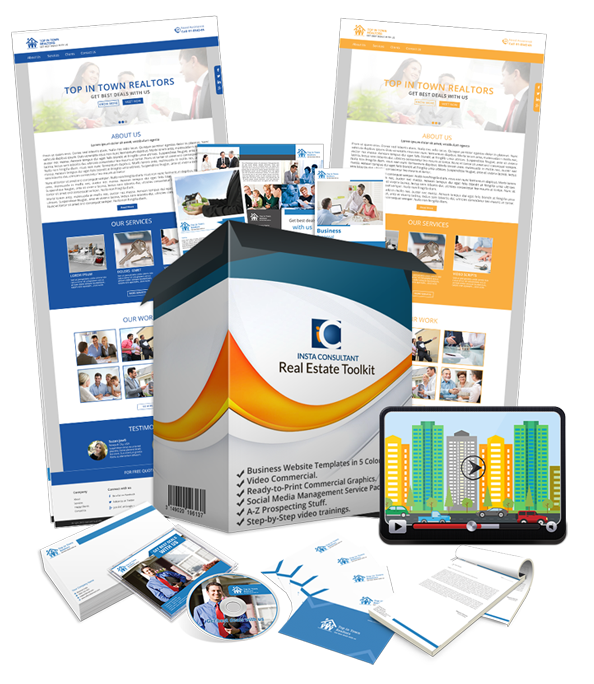
INSTA REAL ESTATE CONSULTANT TOOLKIT

Amazing Toolkit Gives You the INSTANT AUTHORITY to Start your Local Consulting Agency in Next 7 Minutes… and Charge Real Estate Agents $1000+ Again and Again…

Discover and learn now the secret how to buy foreclosed homes with no money!

Plată

Foreclosure Real Estate: This ONE Weird Trick is Making Home Buyers Millions! (Uses the “one weird trick” trope for intrigue and implies easy money)

Foreclosure real estate refers to properties that have been repossessed by a lender (typically a bank or mortgage company) because the homeowner failed to meet the terms of their mortgage, usually by missing multiple payments. Investors and individuals can purchase these properties, often at a discount, and potentially profit from them. Here’s a breakdown of the unique mechanisms and concepts involved in making money through foreclosure real estate:


1. The Foreclosure Process

  • Default: The homeowner misses mortgage payments, triggering the foreclosure process.
  • Pre-Foreclosure: The lender issues a notice of default, giving the homeowner a chance to catch up on payments or sell the property (often as a “short sale”).
  • Auction: If the homeowner doesn’t resolve the default, the property is sold at a public auction.
  • Bank-Owned (REO): If the property doesn’t sell at auction, it becomes real estate owned (REO) by the lender, who may then sell it through traditional channels.

2. Opportunities to Make Money

  • Buying at a Discount: Foreclosed properties are often sold below market value because lenders want to recover their losses quickly.
  • Flipping: Investors buy foreclosed properties, renovate them, and sell them at a higher price.
  • Renting: Investors can rent out foreclosed properties for passive income.
  • Wholesaling: Investors secure contracts on foreclosed properties and sell the contracts to other buyers for a fee.

3. Key Strategies

  • Pre-Foreclosure Investing:
    • Investors approach homeowners in default and offer to buy the property before it goes to auction.
    • This can involve negotiating a short sale with the lender (where the lender agrees to accept less than the owed amount).
  • Auction Purchases:
    • Investors bid on properties at foreclosure auctions.
    • Auctions often require cash or cash-equivalent payments, and properties are sold “as-is,” meaning the buyer assumes all risks.
  • REO Purchases:
    • Buying bank-owned properties after the auction.
    • These properties are typically listed on the market and may be in better condition than auction properties.

4. Risks and Challenges

  • Property Condition: Foreclosed properties are often sold “as-is,” and may require significant repairs.
  • Title Issues: There may be liens or legal complications associated with the property.
  • Competition: Foreclosure investing can be competitive, especially in hot markets.
  • Ethical Considerations: Dealing with distressed homeowners requires sensitivity and ethical practices.

5. Why It Works

  • Motivated Sellers: Lenders want to offload foreclosed properties quickly to minimize losses.
  • Below-Market Prices: Discounted prices provide room for profit through resale or rental income.
  • Market Demand: In many areas, there is consistent demand for affordable housing, making foreclosure properties attractive to buyers.

6. Steps to Get Started

  • Research: Learn about the foreclosure process and local laws.
  • Find Deals: Use foreclosure listings, public records, or work with a real estate agent specializing in foreclosures.
  • Secure Financing: Have cash or financing ready, as auctions often require immediate payment.
  • Inspect Properties: Assess the condition and potential repair costs.
  • Negotiate: Work with lenders or homeowners to secure the best deal.

Foreclosure real estate can be a lucrative investment strategy, but it requires knowledge, due diligence, and a willingness to take on risks. Successful investors often combine market research, financial analysis, and hands-on property management skills to maximize profits.

Revolutionize Your SEO Strategy in Real Estate Marketing for Agents with GetGenie – The AI Tool for Rapid Content!

ai contentgenie for real estate marketing

Real Estate Marketing for Agents: How GetGenie Revolutionizes SEO Content Creation

In the competitive world of real estate marketing for agents, maintaining a strong online presence is critical. Search Engine Optimization (SEO) plays a vital role in driving traffic and generating leads for your business. However, creating high-quality, SEO-friendly content can be a time-consuming task. Enter GetGenie, an AI-driven tool designed to streamline content creation and empower agents with optimized content in minutes.

This article explores how GetGenie enhances real estate marketing for agents through its speed, efficiency, and versatility.


1. Supercharge Your Writing Speed with GetGenie

Time is a valuable asset in real estate marketing for agents, and GetGenie ensures you use it wisely. Powered by advanced natural language processing, this tool generates content up to 20 times faster than traditional methods. Whether you’re crafting blog posts, property descriptions, or social media updates, GetGenie delivers polished results in record time.


2. Integrated SEO Optimization for Real Estate Agents

For effective real estate marketing for agents, your content must rank high on search engines. GetGenie excels by identifying relevant keywords and structuring your content to align with search engine algorithms. This ensures your website appears at the top of search results, driving more traffic to your real estate listings and services.


3. Content Versatility to Match Every Real Estate Need

In real estate marketing for agents, diversity in content is key. GetGenie is versatile, enabling you to create various types of content, including:

  • Engaging blog posts
  • Property descriptions
  • Social media updates
  • Newsletters and email campaigns

This adaptability ensures that your marketing strategy remains dynamic and comprehensive.


4. Stay Ahead with Constant Updates

The digital landscape of real estate marketing for agents is always changing, and SEO trends evolve rapidly. GetGenie is regularly updated to incorporate the latest SEO practices, ensuring your content remains competitive and effective. This adaptability keeps your marketing strategy ahead of the curve.


5. A User-Friendly Experience for Real Estate Professionals

Not every agent is a tech expert, and that’s where GetGenie shines. Its intuitive interface makes it accessible to users of all skill levels. Whether you’re new to digital marketing or a seasoned pro, creating SEO-optimized content becomes a hassle-free process with this tool.


6. Save Time and Focus on Your Real Estate Goals

In the fast-paced world of real estate marketing for agents, multitasking is essential. GetGenie saves you precious time by automating content generation. This allows you to focus on other critical aspects of your business, such as client relationships and property showings, while the tool handles your content needs.


Why GetGenie is a Game-Changer for Real Estate Marketing

For professionals focused on real estate marketing for agents, GetGenie offers unparalleled benefits:

  • Lightning-fast content generation
  • Built-in SEO optimization for higher search rankings
  • Versatile content creation for diverse marketing channels
  • Regular updates to stay aligned with SEO trends
  • User-friendly features that simplify the marketing process

Conclusion: Transform Your Real Estate Marketing with GetGenie

In the highly competitive real estate market, staying ahead requires the right tools and strategies. GetGenie empowers agents to create optimized content quickly and effectively, giving them a competitive edge in real estate marketing for agents.

💡 Start using GetGenie today to supercharge your content creation process and take your real estate marketing to the next level!