Category: REAL ESTATE MARKETING AGENTS

🏡 Real Estate Marketing Trends & Predictions for 2026
real estate marketing trends 2026

Introduction

The real estate market continues to evolve — fast. As we move into 2026, real estate marketing is becoming smarter, more immersive, and deeply personalized. Agents and marketing agencies that leverage the latest tools and consumer insights will not only stand out but thrive in an increasingly competitive landscape.

In this post, we’ll explore the top real estate marketing trends and predictions for 2026 — and how your agency can adapt to stay ahead.


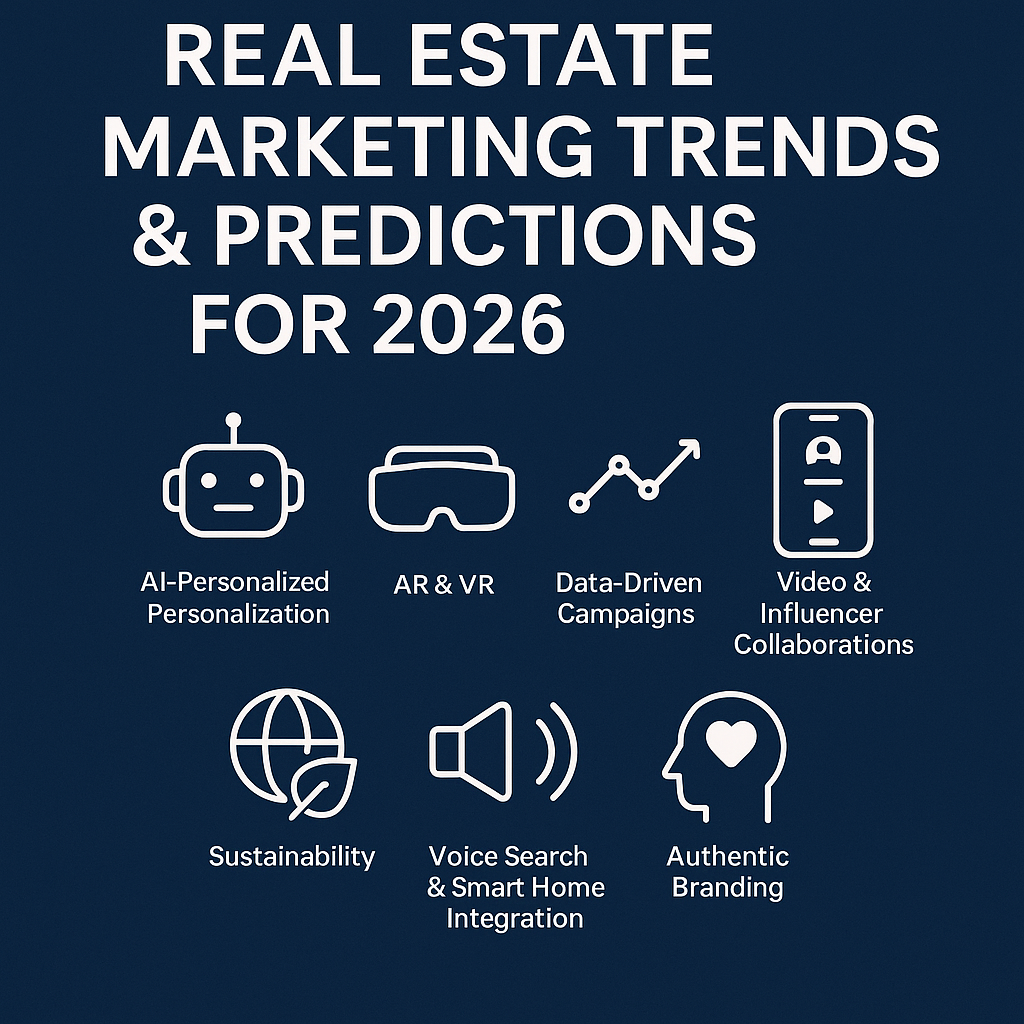
1. 🤖 AI-Powered Personalization Transforms Real Estate Marketing

Artificial Intelligence (AI) will be the driving force behind real estate marketing in 2026. From automating client communication to predicting buyer behavior, AI tools will make campaigns smarter and more efficient.

What You’ll See:

  • Intelligent CRMs that automatically segment audiences.
  • Predictive analytics identifying buyers before they search.

Smart chatbots acting as 24/7 virtual property advisors.


2. 🕶️ AR & VR: The Future of Property Showcasing

Virtual Reality (VR) and Augmented Reality (AR) are no longer just futuristic gimmicks — they’re now central to property marketing strategies. By 2026, expect immersive 3D tours and AR-based home visualizations to become standard practice.

What’s Changing:

  • Buyers will “walk through” listings virtually before in-person visits.
  • AR tools will show interior design possibilities in real time.

Developers will market properties before construction is completed.

3. 📈 Data-Driven Campaigns and Predictive Targeting

With privacy laws evolving, first-party data will become every agency’s most valuable asset. Real estate marketing in 2026 will rely on analytics and predictive tools to reach the right audience at the right time.

Expect:

  • Smarter use of CRM data for precision marketing.
  • Predictive lead scoring for ad targeting.

Unified dashboards for real-time ROI tracking.

4. 🎥 Social Media Dominated by Video & Influencer Collaborations

Short-form video is taking over, and 2026 will see real estate agencies embracing creators and influencers for authentic promotion.

Where to Focus:

  • Instagram Reels & TikTok for quick property showcases.
  • YouTube Shorts for storytelling and client journeys.
  • LinkedIn for investment and B2B real estate partnerships.

Collaborating with local micro-influencers will boost credibility and reach within niche markets.

5. 🌱 Sustainability: The New Selling Point

In 2026, eco-friendly real estate marketing won’t be optional — it’ll be expected. Modern buyers care about sustainability and want to invest in properties that reflect those values.

How to Adapt:

  • Emphasize energy-efficient and green-certified listings.
  • Create campaigns highlighting sustainability and community impact.
  • Partner with eco-conscious brands for co-marketing opportunities.

6. 🔊 Voice Search & Smart Home Integration

With smart home devices on the rise, voice search optimization will be crucial for discoverability. Real estate marketers will need to adapt their SEO strategies accordingly.

What’s Next:

  • Optimize listings for voice queries like “homes near me with solar panels.”
  • Use conversational keywords in your content.

Highlight smart home features in property descriptions and ads.

7. 🧠 Authentic Branding & Human Connection

Amid AI and automation, authenticity will set agencies apart. Buyers want transparency, human connection, and trust.

Build Real Relationships:

  • Showcase your team and client success stories.
  • Host live Q&As, webinars, or educational workshops.

Focus on storytelling rather than hard selling.

📊 Conclusion: The Future of Real Estate Marketing Is Adaptive

The future of real estate marketing in 2026 belongs to agencies that innovate while keeping the human touch. Combining AI-driven insights, immersive experiences, and sustainable storytelling will be the formula for success.

The key is not just following these trends — but integrating them into your agency’s DNA to deliver value-driven, memorable experiences that turn prospects into lifelong clients.


🧭 Key Takeaways

  • AI and automation will personalize every interaction.
  • AR/VR experiences will make virtual tours the new standard.
  • Data and analytics will drive smarter, measurable decisions.
  • Sustainability and authenticity will win customer trust.
  • Video and voice marketing will dominate digital visibility.

💼 Ready to Future-Proof Your Real Estate Marketing?

Stay ahead of the competition.
👉 Contact Us today for a free consultation on how to future-proof your real estate marketing strategy for 2026.
17 ideas for listing properties online for real estate marketing agents

real estate marketing for agents

1.            Create a professional website: Develop a website that showcases your properties and provides easy navigation for potential buyers or renters. Make sure the website is optimized for search engines to increase visibility.

2.            List properties on popular real estate websites: List your properties on websites like Zillow, Trulia, Redfin, and Realtor.com to reach a larger audience.

3.            Use high-quality photos and videos: Use high-quality photos and videos to showcase the property’s features and attract potential buyers or renters.

4.            Write compelling property descriptions: Write detailed and compelling descriptions of each property that highlight its unique features and benefits.

5.            Use virtual staging: Use virtual staging to show potential buyers or renters how the property could look with different furniture and decor.

6.            Offer virtual tours: Provide virtual tours of the property using 360-degree photos or videos, allowing potential buyers or renters to view the property from anywhere.

7.            Use social media: Use social media platforms like Facebook, Instagram, and LinkedIn to promote your properties and reach potential buyers or renters.

8.            Leverage email marketing: Use email marketing to keep potential buyers or renters informed about new properties and special offers.

9.            Use paid advertising: Use paid advertising on search engines and social media to reach a larger audience.

10.         Monitor and track results: Monitor and track the performance of your online listings to identify areas for improvement and adjust your strategies accordingly.

11.         Use drone photography: Use drone photography to capture aerial views of the property and its surroundings, providing a unique perspective for potential buyers or renters.

12.         Provide detailed neighborhood information: Include detailed information about the neighborhood, such as nearby schools, parks, and amenities, to help potential buyers or renters make informed decisions.

13.         Highlight energy-efficient features: Highlight any energy-efficient features of the property, such as solar panels or energy-efficient appliances, to appeal to environmentally conscious buyers or renters.

14.         Provide floor plans: Provide floor plans of the property to help potential buyers or renters visualize the layout and flow of the space.

15.         Offer a virtual walk-through: Offer a virtual walk-through of the property using video conferencing software like Zoom or Skype to provide a more personalized experience for potential buyers or renters.

16.         Provide testimonials: Include testimonials from previous clients or tenants to build trust and credibility with potential buyers or renters.

17.         Use SEO tactics: Use search engine optimization (SEO) tactics to improve the visibility of your online listings in search engine results pages.

Overall, listing properties online requires a combination of effective marketing strategies, attention to detail, and a deep understanding of your target audience. By utilizing a variety of tactics and consistently monitoring and adjusting your approach, you can effectively promote your properties and attract potential buyers or renters.

6 simple and easy-to-understand strategies for real estate marketing agents

real estate for marketing agents

Real estate marketing for agents involves promoting and advertising properties to potential buyers or renters. Here are some 6 simple and easy-to-understand strategies that agents can use to market properties:

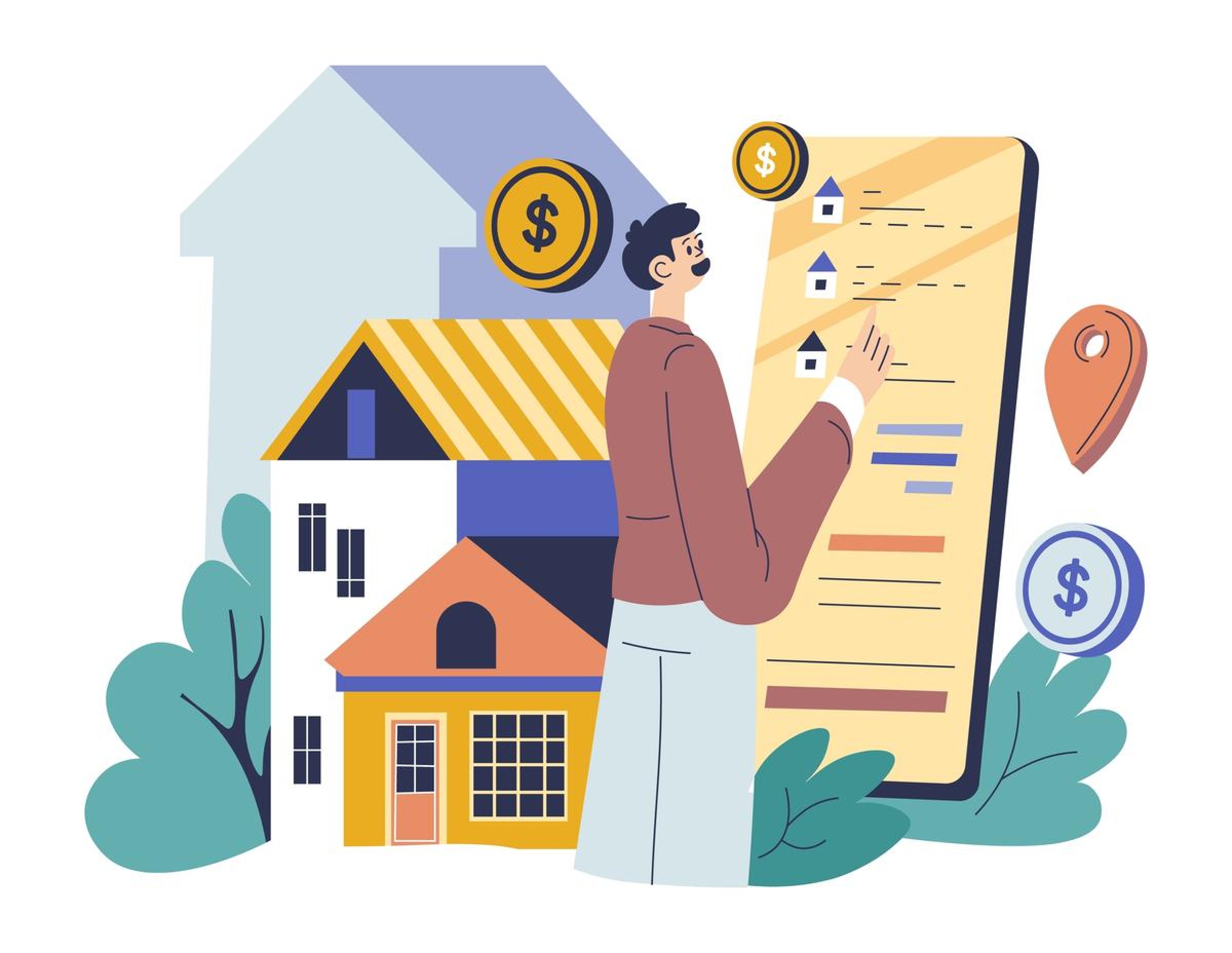
1.Listing properties online: Agents can list properties on their own website, as well as on popular real estate websites like Zillow, Trulia, and Redfin. This makes it easy for potential buyers or renters to find and view properties. Here are 17 ideas for listing properties online.

2.Using social media: Agents can use social media platforms like Facebook, Instagram, and LinkedIn to showcase properties and share updates with potential clients.

3.Creating virtual tours: Agents can create virtual tours of properties using 360-degree photos or videos, allowing potential buyers or renters to view properties from the comfort of their own home.

4.Hosting open houses: Agents can host open houses to allow potential buyers or renters to view properties in person and ask questions.

5.Networking: Agents can network with other professionals in the industry, such as mortgage brokers and home inspectors, to gain referrals and expand their client base.

6.Providing excellent customer service: Agents can differentiate themselves by providing exceptional customer service to their clients, such as promptly returning phone calls and emails, providing thorough property information, and being knowledgeable about the local real estate market.

Overall, real estate marketing for agents involves using a combination of online and offline strategies to promote properties and build relationships with potential clients.

What are the first 10 steps on real estate marketing for new agents ?

real estate marketing agents

Here are the first 10 steps for real estate marketing that new agents can take:

1.       Develop a Professional Image: Start by creating a professional image that reflects your expertise and personality. This includes creating a professional email address, creating a logo, and using high-quality business cards.

2.       Build a Database of Contacts: Develop a database of contacts, including family, friends, and colleagues, as well as people you meet through networking events and open houses.

3.       Use Social Media: Use social media platforms such as Facebook, Twitter, and LinkedIn to connect with potential clients, share your listings, and establish your brand.

4.       Create a Website: Develop a website that showcases your properties, provides valuable information to potential clients, and makes it easy for them to contact you.

5.       Attend Networking Events: Attend networking events and industry conferences to meet other real estate professionals and potential clients.

6.       Create Marketing Materials: Create marketing materials such as brochures, flyers, and postcards that highlight your properties and expertise.

7.       Use Direct Mail: Use direct mail to target potential clients in your area, including postcards, newsletters, and flyers.

8.       Hold Open Houses: Host open houses to showcase your properties and connect with potential buyers.

9.       Leverage Online Listing Services: Use online listing services such as Zillow, Trulia, and Realtor.com to promote your listings and connect with potential buyers.

10.     Focus on Customer Service: Focus on providing exceptional customer service to your clients, including responding promptly to their inquiries and keeping them informed throughout the buying or selling process.

These first 10 steps will help new agents establish a strong foundation for their real estate marketing efforts and begin building a successful career in the industry.