Digital Real Estate vs. Virtual Real Estate: What’s the Difference?
In today’s tech-driven world, the concept of real estate has expanded beyond physical properties. Two emerging terms—digital real estate and virtual real estate—often get confused. While they share similarities, they serve different purposes. Let’s break it down.

What is Digital Real Estate?
Digital real estate refers to online assets that hold value and generate income, similar to physical properties. These assets can be bought, sold, rented, or monetized.
Examples of Digital Real Estate:
✅ Websites & Domains – Owning a high-traffic website (e.g., blogs, eCommerce stores)
✅ Social Media Accounts – Large followings on Instagram, YouTube, or TikTok
✅ Email Lists – Subscriber lists with engaged audiences
✅ Online Businesses – Digital storefronts, SaaS platforms, or affiliate marketing sites
✅ Advertising Space – Monetized platforms with ad revenue
🔹 Think of digital real estate as “internet property” that produces revenue, similar to renting out a storefront in the real world.
What is Virtual Real Estate?
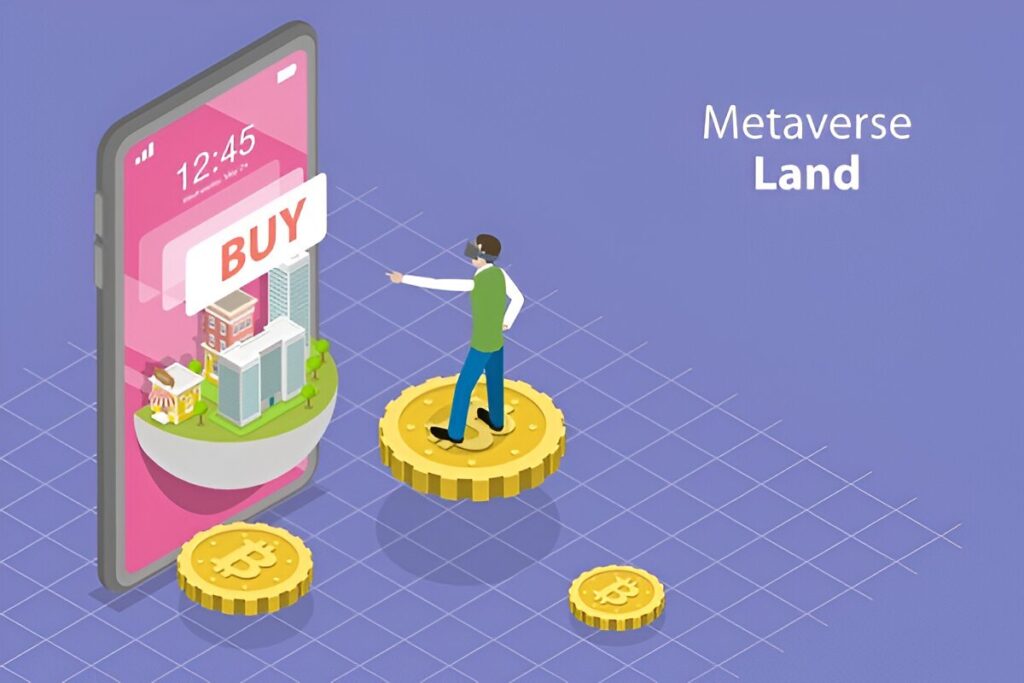
Virtual real estate exists inside digital worlds, often in the form of land, buildings, or assets within the metaverse. These are bought, sold, and developed inside platforms like Decentraland, The Sandbox, or Roblox.
Examples of Virtual Real Estate:
✅ Metaverse Land – Plots in Decentraland, Sandbox, or Otherside
✅ NFT-Based Properties – Digital real estate tied to blockchain ownership
✅ Virtual Billboards & Event Spaces – Used for advertising and concerts
✅ Gaming Assets – Land, houses, or businesses in games like Minecraft or Fortnite
🔹 Virtual real estate is like a “parallel world” where digital landowners can create businesses, host events, and sell properties just as in real life.
Key Differences: Digital vs. Virtual Real Estate
| Feature | Digital Real Estate | Virtual Real Estate |
| Location | Websites, social media, digital assets | Metaverse platforms & virtual worlds |
| Ownership Type | Domains, accounts, online businesses | Blockchain-based land (NFTs) |
| Monetization | Ads, affiliate sales, digital products | Virtual events, metaverse rentals, NFT sales |
| Accessibility | Any internet user | Requires metaverse platforms & crypto |
| Investment Model | SEO, traffic growth, audience building | Buying/selling virtual land, gaming economy |
Digital Real Estate vs. Virtual Real Estate: Key Differences Explained
While both digital and virtual real estate exist in the online world, they operate under different ownership models, monetization strategies, and investment approaches. Here’s a breakdown of their key differences in a listicle format for better clarity:
1. Location: Where Do These Assets Exist?
- Digital Real Estate → Websites, social media pages, domain names, online businesses, and other digital properties hosted on the internet.
- Virtual Real Estate → Land, buildings, and properties within metaverse platforms like Decentraland, The Sandbox, and Otherside.
✅ Example: Owning a high-ranking website (digital real estate) vs. owning a plot of land in The Sandbox (virtual real estate).
2. Ownership Type: What Do You Actually Own?
- Digital Real Estate → Domains, social media accounts, YouTube channels, digital brands, and monetized blogs. Ownership is based on registrations, licenses, or business ownership.
- Virtual Real Estate → Blockchain-based land and assets stored as NFTs (non-fungible tokens), providing verified ownership within the metaverse.
✅ Example: Buying a domain like RealEstateEmpire.com (digital) vs. buying a virtual mansion in Decentraland (virtual).
3. Monetization: How Do You Make Money?
- Digital Real Estate → Revenue comes from ads, affiliate marketing, selling digital products, memberships, and sponsorships.
- Virtual Real Estate → Earn through NFT sales, virtual event spaces, metaverse rentals, digital billboards, or virtual business development.
✅ Example: A website generates income from Google AdSense, while a virtual casino in the metaverse earns revenue from players.
4. Accessibility: Who Can Use It?
- Digital Real Estate → Open to any internet user with access to websites, social media, and digital platforms.
- Virtual Real Estate → Requires metaverse platforms, VR technology, and cryptocurrency wallets to participate.
✅ Example: Anyone can start a blog, but owning and managing virtual land requires understanding blockchain, crypto, and NFTs.
5. Investment Model: How Do You Build Value?
- Digital Real Estate → Grows through SEO, traffic building, social media audience expansion, and content marketing.
- Virtual Real Estate → Involves buying and selling virtual land, developing gaming economies, and metaverse-based business strategies.
✅ Example: Scaling a popular e-commerce website (digital) vs. flipping a premium metaverse property after its value appreciates (virtual).
Which One is Right for You?
Both digital and virtual real estate offer profitable opportunities, but they require different skill sets:
- If you prefer SEO, content, and audience-building, go for digital real estate.
- If you believe in the metaverse and blockchain economy, virtual real estate might be the future for you.
🚀 Which type of digital asset are you investing in? Let’s discuss in the comments!
Which One is the Better Investment?
🔹 Digital Real Estate: Best for those looking for traditional online income—websites, social media growth, or eCommerce.
🔹 Virtual Real Estate: Ideal for investors exploring the metaverse and Web3 opportunities, with potential for long-term appreciation.Both digital and virtual real estate are shaping the future of online business and investment. The right choice depends on whether you want to own income-generating websites or build assets in the metaverse. 🚀