Category: REAL ESTATE FORECLOSURE

How To Buy Foreclosed Homes

The “How To Buy Foreclosed Homes” course teaches you step by step how to identify, evaluate, and purchase foreclosed properties. You will discover essential strategies to take advantage of real estate opportunities while avoiding common pitfalls. Ideal for investors and buyers looking for below-market deals!
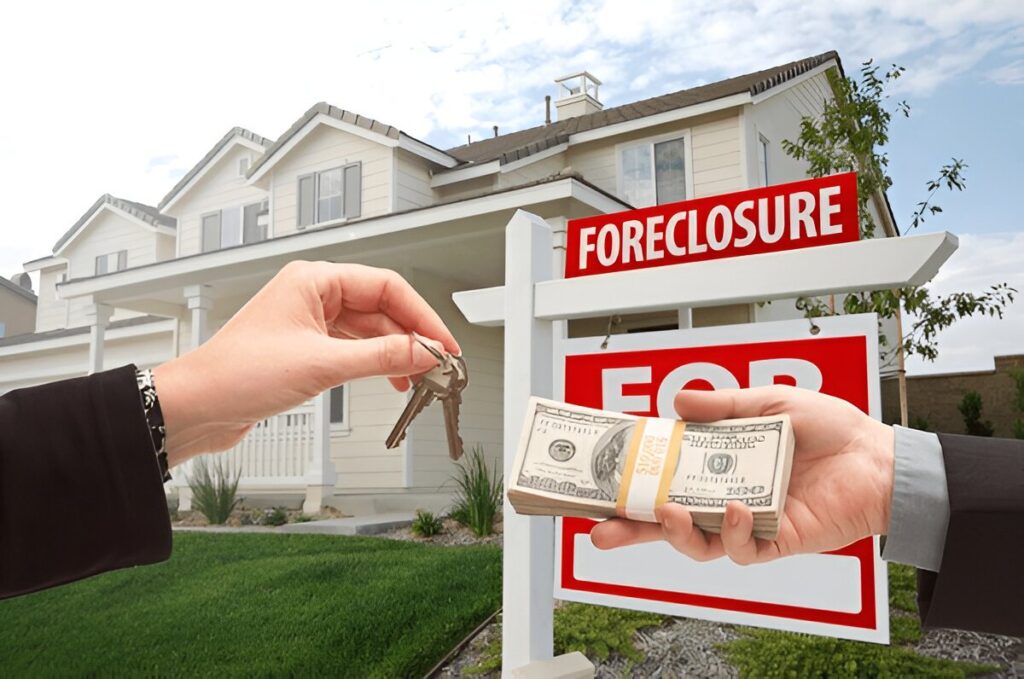
how to buy foreclosed homes

How to Buy Foreclosed Homes: A Comprehensive Curriculum

This course provides a comprehensive guide to navigating the foreclosure real estate market, from identifying potential deals to maximizing your profits. We’ll cover the entire process, including traditional foreclosure purchases, a unique “Rent-to-Own Homes Tour” strategy, automation techniques, and real-world case studies.

I. Steps of the Foreclosure System: Mastering the Fundamentals

This section breaks down the traditional foreclosure process into five key steps, giving you a solid foundation for successful investing.

  • Step 1: Get the List:
    • Identifying reliable sources for foreclosure lists (public records, online databases, real estate agents).
    • Understanding different types of foreclosure lists (pre-foreclosure, auction, REO).
    • Building your own targeted list based on your investment criteria.
  • Step 2: Market to Motivated Sellers:
    • Crafting compelling offers that stand out.
    • Effective communication strategies for dealing with distressed homeowners.
    • Negotiating tactics to secure the best possible deal.
  • Step 3: Analyze the Deal:
    • Performing due diligence: title searches, property inspections, and market analysis.
    • Calculating potential profit margins and return on investment.
    • Identifying potential risks and red flags.
  • Step 4: Control the Property:
    • Securing the property and protecting your investment.
    • Managing repairs and renovations (if necessary).
    • Understanding legal considerations and tenant rights (if applicable).
  • Step 5: Choose Your Exit Strategy:
    • Different exit strategies: wholesaling, rehabbing, renting, or owner-occupying.
    • Evaluating which strategy best aligns with your financial goals and risk tolerance.
    • Developing a clear exit plan for each property.

II. “Rent-to-Own Homes Tour” Process: Selling Properties Quickly and Efficiently

This section introduces a unique and powerful strategy for quickly selling your acquired properties.

  • Step 1: Build Your Buyers List:
    • Identifying potential rent-to-own buyers through targeted marketing.
    • Pre-qualifying buyers and understanding their needs.
    • Creating a database of qualified leads.
  • Step 2: (Missing Step in Original Structure – Assumed to be “Prepare the Properties”):
    • Preparing the properties for showing, including necessary repairs and cleaning.
    • Staging the homes to highlight their best features.
    • Setting competitive rent-to-own terms.
  • Step 3: Promote the Event:
    • Marketing the “Rent-to-Own Homes Tour” through various channels (online, social media, local advertising).
    • Creating buzz and generating excitement for the event.
  • Step 4: Manage the Open House Frenzy:
    • Organizing and managing the open house event efficiently.
    • Handling multiple potential buyers and answering their questions.
    • Collecting applications and screening tenants.
  • Step 5: Close Multiple Deals:
    • Negotiating lease-option agreements and securing deposits.
    • Streamlining the closing process and ensuring smooth transitions.
    • Building long-term relationships with rent-to-own buyers.

III. Automation Foreclosure: Working Smarter, Not Harder

This section explores how to leverage automation to maximize your efficiency and scale your foreclosure business.

  • Step 1: Understand the Value of Your Time:
    • Recognizing the importance of time management in real estate investing.
    • Identifying tasks that can be automated to free up your time.
  • Step 2: Define Automation:
    • Understanding different types of automation tools and software.
    • Identifying key processes that can be automated (lead generation, marketing, communication).
  • Step 3: Address Common Automation Misconceptions:
    • Debunking myths about automation being impersonal or ineffective.
    • Understanding the importance of personalized communication even with automation.
  • Step 4: Implement the Four Steps to Automation:
    • Identifying your target audience and their needs.
    • Selecting the right automation tools for your business.
    • Creating automated workflows and systems.
    • Tracking your results and making adjustments as needed.
  • Step 5: Project Your Potential Earnings:
    • Calculating the ROI of automation and its impact on your bottom line.
    • Forecasting your potential earnings with increased efficiency and scale.

Q&A Summary: A dedicated session to address student questions and clarify any concepts covered in the course.

IV. Case Study: Property Rehabilitation and Staging: A detailed analysis of a successful property rehabilitation project, including before-and-after photos and cost breakdowns.

V. Case Study: Purchasing and Renovating a Property by Auction: A step-by-step guide to purchasing a property at auction, including tips for bidding and navigating the auction process.

VI. Case Study: Renovating and Transforming a House with Potential: A case study showcasing how to identify and renovate a property with untapped potential, maximizing its value and appeal.

#BONUS [$97 value]

INSTA-CONSULTANT Real Estate Toolkit
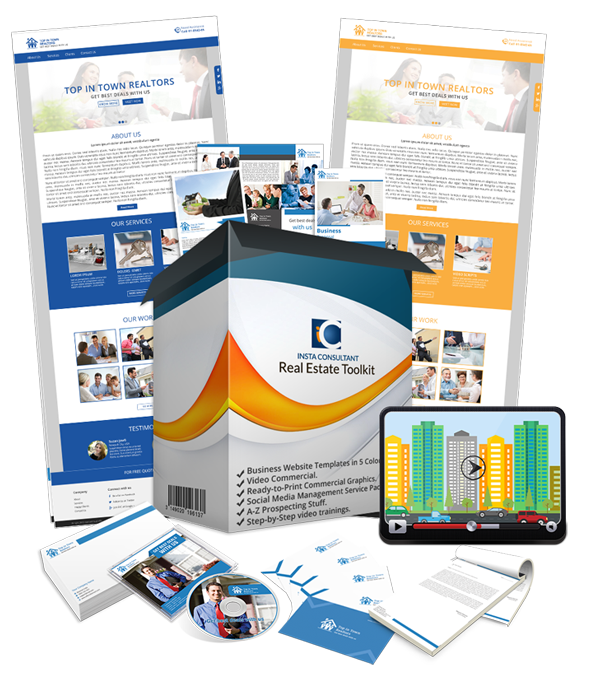

Amazing Toolkit Gives You the INSTANT AUTHORITY to Start your Local Consulting Agency in Next 7 Minutes… and Charge Real Estate Agents $1000+ Again and Again…

No CODING, NO DESINGING SKILLS NEEDED
Stop dreaming about a house, buy one foreclosed! Learn now step by step how to buy foreclosed homes!

Payment Button

Save Your Home From Foreclosure

save your home foreclosure

Win The Battle Against Foreclosure and Secure Your Financial Future!

Get All The Support And Guidance You Need to Successfully Beat Foreclosure!

This book is your essential resource for understanding and overcoming foreclosure challenges. It’s packed with proven strategies that can help you save your home and protect your finances—without confusion or wasted time.

Are you struggling to figure out how to deal with foreclosure? Perhaps you’ve tried multiple solutions, but nothing seems to work. You’re not alone, and this guide is here to change that.


Why This Guide Is Crucial

Foreclosure doesn’t just threaten your home—it impacts your financial security, emotional well-being, and future stability. This book teaches you how to take control of the situation, avoid common scams, and find the best path forward.

It’s a must-read for anyone who:

  • Doesn’t know where to start when facing foreclosure.
  • Feels overwhelmed by the legal or financial jargon.
  • Wants to avoid falling victim to foreclosure scams.

What’s Inside: Your Step-by-Step Roadmap

1. Understanding Foreclosure Basics
Learn what foreclosure really is and the key factors that lead to it.

2. Ways to Save Your House
Explore practical solutions to prevent foreclosure and stay in your home.

3. Knowing When to Let Go
Recognize the signs when walking away is the best financial decision.

4. Fighting Foreclosure in Court
Understand your legal options and how to build a strong defense.

5. Beware of Scams
Identify and avoid predatory scams that take advantage of struggling homeowners.

6. Rebuilding Credit
Learn how to bounce back financially, even after foreclosure.


Why Act Now?

The cost of inaction is too high. Every moment counts when you’re facing foreclosure. This guide can help you save your home, avoid unnecessary losses, and regain your financial confidence.

Don’t let foreclosure define your future. Take charge with this comprehensive guide.


What Makes This Book Different?

  • Clear and Actionable Steps: You’ll find easy-to-follow strategies to navigate foreclosure effectively.
  • Real-World Advice: Written by someone who understands the challenges firsthand, this book gives you proven solutions.
  • Comprehensive Coverage: From saving your home to rebuilding your credit, this book has you covered.

Special Guarantee

You can test-drive this guide for a full 30 days. If you’re not satisfied, you’ll receive a 100% refund—no questions asked.


Grab Your Copy Today!

Don’t wait until it’s too late. Take control of your financial future today.

Click Below to Purchase for Only $27

👉 Buy Now and Start Saving Your Home!


P.S. Your home and financial stability are worth the investment. With nothing to lose and everything to gain, secure your copy today and take the first step toward reclaiming your peace of mind.

P.P.S. Opportunities like this don’t come often. Don’t miss out on the chance to save your home and protect your future.

Take action now!

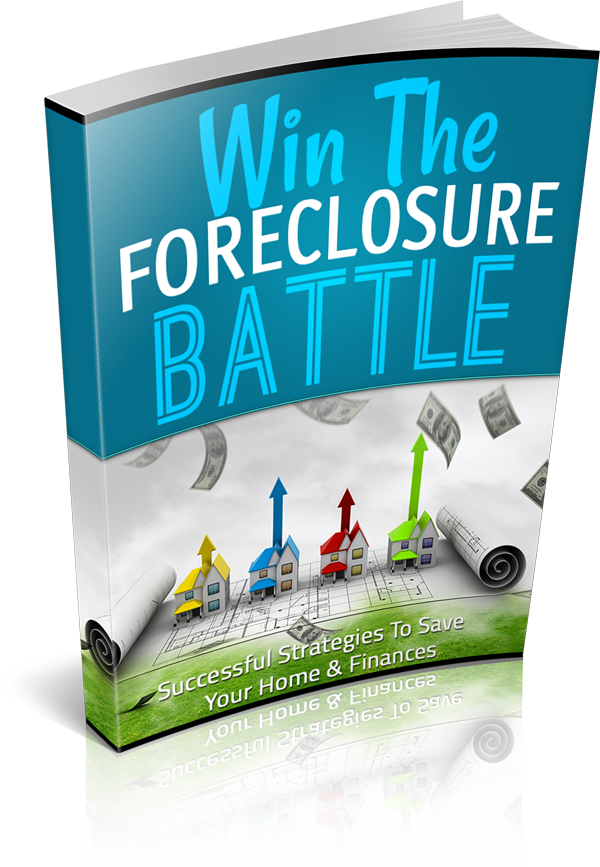
Win The Foreclosure Battle – Protect Your Home, Your Finances, and Your Future!

Successful Strategies To Save Your Home &Finances

how to avoid home foreclosure

Are you struggling to navigate the foreclosure process? Feeling overwhelmed and unsure of where to turn for help? You don’t have to face this battle alone.

Introducing “Win The Foreclosure Battle”—your ultimate guide to taking back control of your financial situation and protecting your home. This eBook is packed with actionable strategies and expert insights to help you fight back, save your house, and rebuild your credit.


Here’s What You’ll Learn Inside This Life-Saving Guide:

🏡 Understanding Foreclosures – The Basics:
Get a clear understanding of what foreclosure means, how the process works, and what options are available to you.

💡 Practical Ways to Save Your House:
Discover proven strategies and financial tools to keep your home—even when times are tough.

📅 When to Let Go – A Tough but Important Decision:
Learn how to evaluate your situation and decide if walking away is the best option for your future.

⚖️ Fighting Foreclosure in Court:
Find out how to build a solid defense against foreclosure and understand your rights in the courtroom.

🚨 Avoiding Foreclosure Scams:
Foreclosure scams can ruin your finances even further. Learn how to spot and avoid these fraudulent schemes.

💳 Rebuilding Personal and Business Credit:
Reclaim control of your financial health with practical tips to repair your credit and bounce back stronger.


Why You Need This eBook Now

Foreclosure is a time-sensitive issue, and acting quickly can make all the difference. Whether you’re trying to save your home, protect your finances, or simply make the best decision for your family, this eBook provides the guidance you need to navigate these turbulent times.


Who Is This eBook For?

  • Homeowners facing the threat of foreclosure.
  • Individuals seeking to protect their finances and rebuild their credit.
  • Anyone looking to understand the foreclosure process and fight back with confidence.

Take Back Control Today – Your Home and Financial Security Are Worth It!

Don’t let foreclosure define your future. “Win The Foreclosure Battle” equips you with the tools, knowledge, and confidence to fight back.

📖 Ready to reclaim your peace of mind?

👉 Download Your Copy Now For $27

💡 Remember: Every day counts. Start your journey to financial stability and security today.

Your home, your family, and your future are worth fighting for.

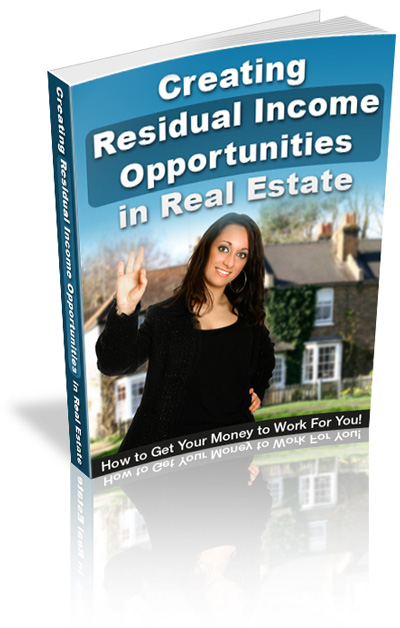
Creating Residual Income Opportunities in Real Estate Foreclosure

residual income in real estate foreclosure

Unlock the Secrets to Building Wealth Like the Ultra-Rich!

Imagine waking up every morning with money flowing into your bank account—no stress, no hassle, just steady, reliable income. Now it’s your turn to live the dream of creating passive real estate income streams that work for you 24/7.

Introducing our eBook: “Passive Real Estate Income Secrets”—a comprehensive 30-page, 7000-word guide designed to teach you the exact strategies the ultra-wealthy use to grow their wealth through real estate.


Here’s What You’ll Learn Inside This Transformational eBook:

💰 How to Buy Income-Generating Mortgages at a Discount:
Follow simple, step-by-step instructions and learn how to earn 30% or more on your investments every year.

🏠 How to Make Money with Foreclosures:
Uncover the insider secrets to profiting from foreclosure opportunities and unlock a whole new level of financial freedom.

📈 The Foundation of Passive Income Streams:
Get a deep understanding of how real estate can work for you—so your money makes money, even when you’re asleep.

🛠️ Actionable Strategies:
This isn’t fluff or theory. Every page is packed with real-world tips you can implement right away to start building your passive income streams.


Why This eBook Is a Game-Changer for Aspiring Investors:

📖 Easy to Read and Implement: No complex jargon—just straightforward advice.
🛡️ Proven Tactics: Learn strategies backed by real-life success stories from savvy investors.
💵 Scalable Strategies: Whether you’re starting with a small budget or ready to make big moves, this guide has something for everyone.


Who Is This eBook For?

  • Anyone tired of trading time for money and ready to let their investments work for them.
  • Aspiring investors who want to learn how to generate passive income through real estate.
  • Professionals seeking a step-by-step roadmap to building long-term wealth.

Take Control of Your Financial Future Today!

The ultra-wealthy don’t leave their financial success to chance—and neither should you. With the strategies in “Passive Real Estate Income Secrets,” you’ll have the tools and knowledge to start building wealth today, not someday.

📖 Ready to get started? Click the button below to download your copy and begin your journey to financial freedom!

👉 Download Now For $17

💡 Don’t wait—opportunities don’t last forever. The sooner you start, the faster you’ll see results.

Invest in yourself today and watch your wealth grow tomorrow!

Stop Falling for Scams: Protect Your Hard-Earned Money and Peace of Mind!

how to avoid scam foreclosure

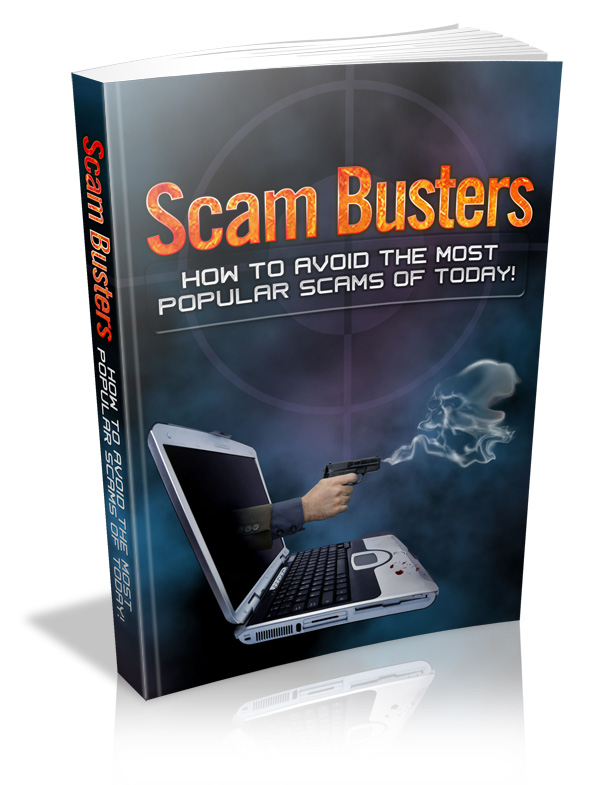
Are you tired of hearing about friends, family, or even yourself getting caught in scams that cost time, money, and emotional stress? Take control with our exclusive eBook: “How to Avoid the Most Popular Scams of Today!”

This 32-page, 5315-word guide is packed with practical tips, expert insights, and red-flag warnings to help you recognize and avoid the most common scams targeting people like you every day.

What You’ll Discover in This Must-Have Guide:

🔒 Work-at-Home Scams: Learn how to spot fake job opportunities and protect yourself from fraud that preys on your ambition.

💳 Debt Relief Scams: Uncover the truth about so-called debt solutions that promise the world but deliver financial disaster.

🏠 Foreclosure and Mortgage Scams: Safeguard your home and financial future by identifying shady practices in the real estate world.

🏆 “You Won” Scams: Don’t let enticing prize claims or fake lotteries take you for a ride. Learn to say “no” with confidence.

🛡️ Identity Scams: Protect your personal information from hackers, phishers, and fraudsters who want to steal your identity.


Why This eBook Is a Game-Changer:

  • Simple and Actionable Advice: Easy-to-follow steps to help you stay ahead of scammers.
  • Up-to-Date Insights: Covers modern tactics scammers use to stay undetected.
  • Peace of Mind: Avoid the headaches, financial losses, and stress that scams can cause.

Take Action Before It’s Too Late!

Scammers are becoming smarter every day. Don’t let yourself, your loved ones, or your hard-earned money fall victim to their tricks. With just one click, you can arm yourself with the knowledge you need to outsmart even the most cunning fraudsters.

📖 Ready to take control? Click the button below to download “How to Avoid the Most Popular Scams of Today!” and make your life scam-free!

👉 Download Now For $17

💡 Act now—because staying informed is your best defense against scams. Protect yourself today!

Checklist for Buying Foreclosed Homes

how to buy foreclosure home

Purchasing a foreclosed property can be a lucrative investment opportunity, but it requires careful planning and due diligence to ensure success. Here’s a step-by-step checklist to guide you through the process:


1. Research and Education

  • Understand Foreclosures: Learn the foreclosure process in your target area (e.g., pre-foreclosure, auction, bank-owned).
  • Market Trends: Study current real estate trends to identify areas with high potential for appreciation.
  • Legal Framework: Familiarize yourself with the legal requirements and procedures related to buying foreclosed properties.

2. Budgeting and Financing

  • Set a Budget: Determine how much you’re willing and able to spend, including purchase price, repairs, and closing costs.
  • Get Pre-Approved: Secure financing with a lender experienced in foreclosure purchases or prepare cash if buying at auction.
  • Estimate Additional Costs: Factor in costs such as property taxes, insurance, and potential HOA fees.

3. Finding Foreclosed Properties

  • Use Online Platforms: Search websites like Zillow, Realtor.com, or Foreclosure.com for listings.
  • Connect with Banks: Contact local banks and credit unions for a list of real estate-owned (REO) properties.
  • Attend Auctions: Look for county or sheriff auctions in your area for opportunities.
  • Hire a Real Estate Agent: Choose an agent experienced in foreclosures to guide you through the process.

4. Property Evaluation

  • Visit the Property: Inspect the home’s condition, neighborhood, and accessibility.
  • Assess Repairs: Identify necessary repairs and improvements. Bring a contractor if needed.
  • Check the Title: Ensure there are no liens or unpaid taxes on the property.
  • Verify Zoning: Confirm the property complies with zoning regulations for your intended use.

5. Due Diligence

  • Title Search: Work with a title company to guarantee a clean title.
  • Home Inspection: Hire a professional inspector to uncover hidden damages or structural issues.
  • Comparable Analysis: Compare the property’s price to similar homes in the area to confirm it’s a good deal.

6. Making an Offer

  • Prepare a Competitive Offer: Consider the market and the condition of the property when deciding on your bid.
  • Negotiate: Work with the lender or seller to achieve favorable terms.
  • Understand Terms: Ensure you understand the terms of sale, especially for auctioned properties where purchases are “as-is.”

7. Closing the Deal

  • Secure Financing: Finalize your loan or have funds ready if purchasing in cash.
  • Review Contracts: Work with a real estate attorney to review and sign closing documents.
  • Insurance: Obtain homeowner’s insurance before closing.

8. Post-Purchase Actions

  • Renovate: Begin repairs and renovations based on your evaluation.
  • Reappraise: Get the property reappraised after improvements for better valuation.
  • Decide on Use: Rent, resell, or occupy the property based on your investment goals.

9. Monitor and Maintain

  • Property Management: If renting, hire a property manager or manage the property yourself.
  • Stay Updated: Keep up with local real estate trends and maintain the property for maximum ROI.

Foreclosures can offer significant financial rewards, but they also come with risks. This checklist will help you navigate the complexities of buying foreclosed homes and position you for success in your investment journey.

how to buy foreclosure home

Detailed Step-by-Step Checklist for Buying Foreclosed Homes

Here’s a breakdown of tasks with approximate time frames to help you navigate the process of buying a foreclosed home:


1. Research and Education (1–2 weeks)

  • Day 1–3:
    • Research foreclosure laws and processes in your target area.
    • Identify the types of foreclosures (pre-foreclosure, auction, REO).
  • Day 4–7:
    • Study real estate market trends and areas with high potential.
    • Watch online tutorials or attend local seminars on buying foreclosed properties.
  • Day 8–14:
    • Learn about common risks and pitfalls in foreclosure purchases.

2. Budgeting and Financing (1–2 weeks)

  • Day 1–2:
    • Assess your finances and set a budget for the property, repairs, and fees.
  • Day 3–7:
    • Research lenders offering loans for foreclosures.
    • Get pre-approved for a loan, or prepare cash reserves if planning to bid at an auction.
  • Day 8–14:
    • Plan for additional costs, such as property taxes, HOA fees, and insurance.

3. Finding Foreclosed Properties (2–4 weeks)

  • Week 1:
    • Use websites like Zillow, Realtor.com, and Foreclosure.com to locate properties.
    • Contact local banks or credit unions for REO property listings.
  • Week 2:
    • Drive through neighborhoods to identify “foreclosure” or “bank-owned” signs.
    • Attend real estate auctions in your area to familiarize yourself with the process.
  • Week 3–4:
    • Hire a real estate agent with foreclosure expertise to expand your options.

4. Property Evaluation (1–3 weeks)

  • Week 1:
    • Visit shortlisted properties to evaluate their condition and neighborhood.
    • Note visible damages or areas needing improvement.
  • Week 2:
    • Conduct a title search to identify liens or unpaid taxes.
    • Verify zoning regulations to ensure compliance with your intended use.
  • Week 3:
    • Obtain repair estimates by consulting contractors or handymen.

5. Due Diligence (2–3 weeks)

  • Week 1:
    • Hire a professional home inspector to assess structural and system integrity.
    • Gather utility bills or maintenance records from the seller, if available.
  • Week 2:
    • Work with a title company or attorney to confirm clear ownership.
  • Week 3:
    • Conduct a comparative market analysis to determine if the price is fair.

6. Making an Offer (1–2 weeks)

  • Day 1–3:
    • Prepare a competitive offer based on your research and the property’s condition.
  • Day 4–7:
    • Negotiate terms with the seller or lender.
    • Clarify any contingencies or “as-is” conditions in the contract.
  • Day 8–14:
    • Finalize and submit your offer.

7. Closing the Deal (2–4 weeks)

  • Week 1:
    • Secure financing by working with your lender or arranging cash payments.
  • Week 2:
    • Obtain homeowner’s insurance and provide proof to the lender or seller.
  • Week 3:
    • Review and sign the final contract with the help of a real estate attorney.
  • Week 4:
    • Complete closing by transferring funds and receiving property ownership documents.

8. Post-Purchase Actions (4–8 weeks)

  • Week 1–2:
    • Begin immediate repairs and renovations based on pre-planned evaluations.
  • Week 3–6:
    • Conduct a post-renovation appraisal to reassess the property’s value.
  • Week 7–8:
    • Decide whether to rent, resell, or occupy the property based on your investment goals.

9. Ongoing Monitoring and Maintenance (Ongoing)

  • Monthly:
    • Inspect the property for maintenance issues or tenant complaints.
  • Quarterly:
    • Review property value trends in the area to consider future actions.

Time Summary

StepTime Required
Research and Education1–2 weeks
Budgeting and Financing1–2 weeks
Finding Properties2–4 weeks
Property Evaluation1–3 weeks
Due Diligence2–3 weeks
Making an Offer1–2 weeks
Closing the Deal2–4 weeks
Post-Purchase Actions4–8 weeks

This detailed timeline ensures you stay organized, reduce risks, and maximize opportunities when purchasing a foreclosed property.

Buying Pre Foreclosures: A Guide to Affordable Real Estate Investments

real estate pre foreclosure

Introduction

For real estate enthusiasts and savvy investors, pre foreclosures present a unique opportunity to purchase properties at discounted prices. While lesser known than traditional foreclosures, pre foreclosures offer numerous benefits, from cost savings to direct negotiations with homeowners. This guide will explore everything you need to know about buying pre foreclosures, their advantages, and how to make the most of these opportunities.


What Are Pre Foreclosures?

Pre foreclosures are properties in the final stages before repossession by the lender or bank. The homeowner is still in control of the property but risks losing it if they fail to resolve their financial issues. As stated:

“Pre foreclosures are known as properties that have reached the final stages before they get repossessed or taken back by the lender or bank. The owner is still in complete control of the property or home, although the bank or lender will repossess the home if the owner doesn’t attempt to rectify the situation.”

If the homeowner makes timely payments or resolves the default, the pre foreclosure process ends, and the property remains with the owner. However, when financial resolution is not possible, the homeowner often chooses to sell the property to avoid foreclosure.


Why Consider Buying Pre Foreclosures?

Purchasing pre foreclosures can be a highly advantageous strategy for buyers looking for affordability, flexibility, and investment potential. Let’s explore the benefits in detail:

1. Significant Cost Savings

The primary allure of pre foreclosures is their price. In most cases, the homeowner is motivated to sell quickly to avoid foreclosure and will accept offers well below market value.

“Due to this very reason, you can find pre foreclosures for sale at nearly 50% off market value. This is an ideal time to purchase, especially if you are looking to save a lot of money.”

These savings can make pre foreclosures a fantastic option for first-time buyers, investors, or anyone seeking to maximize their real estate budget.


2. Direct Negotiation with Homeowners

One of the unique aspects of pre foreclosures is the ability to negotiate directly with the property owner. Unlike bank-owned or REO (real estate owned) properties, pre foreclosures don’t involve third-party intermediaries.

“Along with the great prices you can get with pre foreclosures, you’ll also have the luxury of dealing directly with the owner – no third parties involved.”

Direct communication allows for more flexibility in negotiating terms, timelines, and other details, creating a smoother transaction process.


3. Reduced Competition

Pre foreclosures often have less competition compared to foreclosures or auction properties. Many buyers are unfamiliar with the pre foreclosure process or prefer to focus on already foreclosed homes. This reduced competition can give you an edge in securing a property at a great price.

“When you compare foreclosed properties with pre foreclosed properties, you’ll find that there is less competition involved with pre foreclosures.”


4. Investment Potential

Buying pre foreclosures can also be a lucrative investment opportunity. Whether you plan to flip the property, rent it out, or hold onto it for long-term appreciation, purchasing below market value increases your profit margin.

“Pre foreclosed homes are a great purchase, as they will normally come at a very affordable price. They are a great investment – and can indeed be very profitable in the long run.”


How to Find Pre Foreclosures

Locating pre foreclosures is easier than many people think. Here are some effective ways to find these properties:

1. Online Listings

Numerous websites specialize in real estate listings, including pre foreclosures. These platforms often provide details such as property location, price, and owner contact information.

2. Local Newspapers

Homeowners in pre foreclosure may advertise their properties in local newspapers to attract buyers quickly.

3. Contacting Lenders

Banks and lenders maintain records of properties in pre foreclosure. Reaching out to them directly can give you access to a list of opportunities.

“You can look in the local newspaper, on the Internet, or by calling the lender directly. There are several options that you have in terms of finding pre foreclosures, giving you plenty of options.”


Steps to Buying Pre Foreclosures

Once you’ve identified a pre foreclosure property, follow these steps to secure the purchase:

1. Research the Property

Verify the property’s condition, outstanding debts, and market value. This ensures you understand the full scope of the investment.

2. Contact the Homeowner

Initiate a conversation with the homeowner to discuss their situation and express your interest in purchasing the property.

3. Negotiate Terms

Work out a mutually beneficial agreement, considering the homeowner’s financial needs and your budget.

4. Secure Financing

Ensure you have pre-approved financing or sufficient funds to complete the transaction quickly.

5. Close the Deal

Work with a real estate attorney or agent to finalize the paperwork and complete the purchase.


Common Challenges in Buying Pre Foreclosures

While pre foreclosures offer significant benefits, they also come with challenges:

  • Emotional Sellers: Homeowners facing foreclosure may be emotionally distressed, making negotiations more complex.
  • Outstanding Debts: Verify if there are additional liens or debts attached to the property, which you may need to clear.
  • Property Condition: Pre foreclosure properties may require repairs or renovations, so factor these costs into your budget.

Pre Foreclosures vs. Foreclosures

Understanding the differences between pre foreclosures and foreclosures is key to making informed decisions:

AspectPre ForeclosureForeclosure
Owner ControlHomeowner still retains control.Bank or lender has repossessed it.
NegotiationDirect with homeowner.Limited to auction or REO terms.
PriceOften below market value but negotiable.Set price at auction or REO listing.
CompetitionTypically lower.Often high, especially at auctions.

Conclusion: Why Buying Pre Foreclosures Is a Smart Choice

Pre foreclosures present an exceptional opportunity for buyers to secure properties at discounted prices while helping homeowners in distress.

“Those of you who have been looking for a new home shouldn’t hesitate to check out pre foreclosed properties. They are a great investment – and can indeed be very profitable in the long run.”

If you’re ready to explore pre foreclosures, start by researching available listings, contacting lenders, and taking proactive steps to make your investment dreams a reality. By acting quickly and strategically, you can turn pre foreclosures into profitable real estate ventures.


Looking to Buy Pre Foreclosures?
Partner with a trusted real estate professional to guide you through the process and help you find the best opportunities. Get started today and take the first step towards owning your dream property at an unbeatable price!

What Does Pre-Foreclosure Mean in Real Estate?

real estate preforeclosure

For homeowners facing financial difficulties, understanding pre-foreclosure is critical. This phase in the foreclosure process can provide an opportunity to resolve financial issues and save the property from being sold at auction. In this guide, we will explore what pre-foreclosure means in real estate, why it occurs, and the options available to homeowners to avoid foreclosure.


What Does Pre-Foreclosure Mean in Real Estate?

Pre-foreclosure is the first stage of the foreclosure process. It begins when a homeowner falls behind on mortgage payments, typically after three to six months of missed payments. During pre-foreclosure, the lender notifies the borrower that they are in default and initiates proceedings to reclaim the property. However, the property has not yet been repossessed or sold at auction.

This phase offers a crucial window of opportunity for homeowners to resolve their financial situation, pay the debt, or sell the property to avoid foreclosure.


How Does Pre-Foreclosure Work?

1. Missed Payments

The pre-foreclosure process starts when a homeowner misses multiple mortgage payments. Lenders generally allow a grace period before initiating any formal action.

2. Notice of Default (NOD)

Once payments are significantly overdue, the lender issues a Notice of Default. This document outlines the overdue amount and informs the borrower of the lender’s intent to foreclose if the default isn’t resolved within a specified period.

3. Timeframe for Action

The homeowner typically has between 30 to 120 days to address the issue. This grace period allows homeowners to explore options, such as repaying the debt, negotiating with the lender, or selling the property.

If the homeowner does not resolve the issue during this period, the process advances to foreclosure, where the property may be repossessed and sold at auction.


Why Does Pre-Foreclosure Occur?

Pre-foreclosure usually happens when a homeowner experiences financial hardship. Common reasons include:

  • Job Loss: Sudden unemployment can make it difficult to keep up with mortgage payments.
  • Medical Expenses: High medical bills can strain finances and result in missed payments.
  • Unexpected Emergencies: Divorce, death in the family, or other life-changing events can affect financial stability.
  • Overborrowing: Taking on more debt than manageable can lead to default when combined with other financial pressures.

Regardless of the cause, pre-foreclosure provides homeowners with an opportunity to address their financial difficulties before losing their property.


What Are the Options for Homeowners in Pre-Foreclosure?

During the pre-foreclosure phase, homeowners have several options to avoid losing their property:

1. Reinstate the Loan

The simplest way to resolve pre-foreclosure is by catching up on missed payments, including any late fees and penalties. This reinstates the loan and halts the foreclosure process.

2. Loan Modification

Homeowners can negotiate with the lender to modify the loan terms. This might include:

  • Reducing the interest rate.
  • Extending the loan term to lower monthly payments.
  • Adding missed payments to the end of the loan term.

Loan modification can make the mortgage more manageable and prevent foreclosure.

3. Refinancing

If the homeowner’s credit is still in good standing, refinancing the mortgage may be an option. This involves taking out a new loan with better terms to pay off the existing mortgage.

4. Sell the Property

Selling the property during pre-foreclosure can help the homeowner pay off the mortgage and avoid foreclosure. Two common methods are:

  • Traditional Sale: Selling the home at market value.
  • Short Sale: If the home’s market value is less than the outstanding mortgage, the lender may agree to accept less than what’s owed.

5. Deed in Lieu of Foreclosure

In this option, the homeowner voluntarily transfers ownership of the property to the lender. While it does result in the loss of the property, it avoids the public auction process and can have less impact on the homeowner’s credit score.

6. Bankruptcy

Filing for bankruptcy may temporarily halt foreclosure proceedings, giving the homeowner more time to reorganize their finances. However, this should be a last resort due to the long-term impact on creditworthiness.


How to Avoid Pre-Foreclosure in the First Place

The best way to avoid pre-foreclosure is through proactive financial management. Here are some tips:

  • Create a Budget: Keep track of income and expenses to ensure you can consistently make mortgage payments.
  • Build an Emergency Fund: Save at least three to six months’ worth of expenses to handle unexpected financial challenges.
  • Communicate with Your Lender: If you anticipate trouble making payments, contact your lender immediately. Many lenders offer forbearance or other assistance programs.
  • Consider Insurance: Mortgage insurance or income protection insurance can provide financial relief in case of emergencies.

The Impact of Pre-Foreclosure on Homeowners

While pre-foreclosure doesn’t immediately result in the loss of property, it can have significant consequences:

Financial Impact

  • Late payments and the Notice of Default will negatively affect the homeowner’s credit score, making it harder to secure loans in the future.

Emotional Stress

  • The threat of losing a home can cause emotional strain on the homeowner and their family.

Opportunity to Learn

  • Pre-foreclosure serves as a wake-up call, encouraging homeowners to reassess their financial habits and make necessary changes to avoid similar situations in the future.

How Can Buyers Benefit from Pre-Foreclosure Properties?

Real estate investors and homebuyers often seek out pre-foreclosure properties for potential bargains. Since homeowners are motivated to sell quickly to avoid foreclosure, these properties can sometimes be purchased below market value.

However, buyers should proceed with caution:

  • Due Diligence: Verify the property’s condition, title, and outstanding debts.
  • Professional Assistance: Work with real estate agents or attorneys experienced in pre-foreclosure transactions.

Key Takeaways

  • Pre-foreclosure is the initial phase of the foreclosure process, offering homeowners a chance to resolve financial issues and retain their property.
  • Common options to avoid foreclosure include loan reinstatement, modification, refinancing, selling the property, or negotiating a deed in lieu of foreclosure.
  • Preventing pre-foreclosure starts with proactive financial management, open communication with lenders, and maintaining an emergency fund.

For those in pre-foreclosure, acting quickly and seeking professional advice is crucial. By exploring available options and taking proactive steps, homeowners can avoid the long-term consequences of foreclosure.


Need Help Navigating Pre-Foreclosure?
If you’re facing pre-foreclosure and need guidance, don’t hesitate to contact a trusted real estate professional or financial advisor. With the right support, you can protect your home and secure your financial future.

Foreclosure Guide: An Introduction and Definitions

foreclosure guide

Foreclosure is a term that frequently comes up in discussions about loans, property ownership, and financial distress. This guide offers a beginner-friendly introduction to what foreclosure means, its application in loans, its origins, and alternative terms to better understand the concept.


What Does “Foreclosed” Mean in Simple Terms?

In the simplest terms, “foreclosed” refers to the process through which a lender takes ownership of a property due to the borrower’s inability to make required loan payments. This typically happens in the context of mortgages, where the property acts as collateral for the loan.

For example:
Imagine you have a mortgage for a house but cannot make payments due to financial difficulties. After missing several payments, the lender initiates foreclosure to recover their money by taking ownership of the house and possibly selling it.

Foreclosure is both a legal and financial process designed to protect lenders while emphasizing the consequences of failing to meet financial obligations.


What Is Foreclosure in a Loan?

Foreclosure in a loan context refers specifically to the situation where a borrower defaults on their loan payments, prompting the lender to reclaim the collateralized property. This is most common with home loans, where the property itself serves as collateral.

Key Features of Foreclosure in Loans:

  • Defaulted Payments: The borrower fails to make payments as agreed upon in the loan terms.
  • Legal Process: The lender follows a legal procedure to take back ownership of the property.
  • Recovery of Debt: The lender may sell the foreclosed property to recover the outstanding debt.

For borrowers, foreclosure is a significant financial setback. For lenders, it is a method to mitigate losses. Understanding loan agreements, payment schedules, and communication with lenders can often prevent foreclosure.


What Is This Word “Foreclosure”?

The word “foreclosure” itself stems from legal and financial terminology and is widely used in the real estate and banking industries. It describes a process where a lender enforces their right to take ownership of a property after the borrower breaches the loan agreement.

General Use:

While primarily used in real estate, the term can also apply to other situations involving secured loans where collateral is involved, such as car loans or business loans.

Broader Implications:

Foreclosure not only affects borrowers and lenders but also impacts local housing markets and communities, often resulting in depreciated property values in areas with high foreclosure rates.


What Is the Origin of Foreclosure?

The term “foreclosure” originates from the combination of two Latin-rooted words:

  • “Fore”: Meaning “before” or “in advance.”
  • “Closure”: Derived from “clausura,” meaning “to close.”

The term gained its legal significance in English during the 17th century, describing the process of “closing off” a borrower’s rights to a property due to non-payment. Over time, it became closely associated with mortgage law, particularly in cases where properties served as collateral for loans.

Understanding this historical background helps clarify why foreclosure is seen as a definitive, often last-resort action that “closes” the borrower’s claim to their property.


What Is Another Word for Foreclosure?

Synonyms or alternative terms for foreclosure often depend on the context, but some commonly used ones include:

  • Repossession: Particularly when referring to vehicles or movable assets.
  • Seizure: A more general term indicating that the lender takes control of the asset.
  • Default: While not a direct synonym, it describes the borrower’s failure to meet loan obligations, leading to foreclosure.
  • Eviction (in some contexts): Refers to the removal of occupants from foreclosed properties.

Each term highlights a slightly different aspect of foreclosure, but they all point to the broader concept of a lender reclaiming collateral due to non-payment.


Conclusion

Foreclosure is a critical concept for anyone involved in property ownership or loans. Whether you’re a borrower, a lender, or simply someone looking to understand financial processes better, knowing the basics of foreclosure—including its meaning, application in loans, origin, and synonyms—provides valuable insights.

If you’re dealing with foreclosure or want to avoid it, staying informed and communicating with financial institutions can help navigate this complex process effectively.