In the world of real estate investing, every new strategy seems to promise incredible earnings, but few actually live up to expectations. When I first heard about the MicroBanking Method, I was skeptical. The promise of generating up to $25,000 per month without purchasing properties, flipping, or Airbnb sounded too good to be true. However, I decided to test this method and share my experience with you.
What is the MicroBanking Method?
MicroBanking is a method developed by Rick Melero, a real estate expert with over 20 years of experience. The idea behind this method is to provide financing for real estate investors who need quick capital. Essentially, instead of buying and managing properties, you become a sort of “banker” for investors. In an unstable real estate market, this strategy offers a safer alternative to traditional methods.
My Personal Experience with the MicroBanking Method
Before diving into this method, I attended the free training offered by Rick Melero. The course was well-structured, providing a clear overview of how MicroBanking works. I appreciated that it wasn’t just a sales pitch—it actually contained useful information.
After the training, I decided to test the strategy. The process was simpler than I expected, but it required a clear understanding of the market and a network of investors to work with. The initial results were promising, and the returns I achieved proved that this method can work, but it’s not for everyone. You need patience, learning, and proper application of MicroBanking principles to see consistent profits.
Value for Money – Is It Worth the Investment?
The MicroBanking Method comes with multiple options, from free training to advanced programs that require a larger financial investment. If you’re willing to learn and get seriously involved, then yes, the method can justify its price. However, if you’re a beginner looking for a quick way to make money with minimal effort, you might be disappointed.
Compared to other traditional real estate methods, MicroBanking requires less initial capital and offers greater flexibility. Alternatives could include investing in REITs (Real Estate Investment Trusts) or real estate crowdfunding, but these don’t provide the same level of control and may have lower returns.
Final Verdict
The MicroBanking Method is not a get-rich-quick scheme, but rather a smart investment strategy that requires involvement and knowledge. If you already have experience in real estate or are willing to learn, this method could be an excellent opportunity. If not, then it might be better to explore other, more accessible options.
For those interested, I recommend starting with Rick Melero’s free training. That way, you can see if this method is right for you without any initial financial risk.
What do you think about the MicroBanking Method? Would you try this strategy, or do you prefer traditional real estate methods?
Real estate investment made easy. Learn about different strategies, find expert tips, and start building your wealth today.
Real estate investment involves purchasing, owning, and managing property with the goal of generating income or profit. It’s a broad field encompassing various strategies and asset types, from residential homes and commercial buildings to land and even intangible assets like mortgages. The core idea is to leverage real estate to build wealth, whether through rental income, appreciation in value, or both. It’s a tangible asset class that can offer diversification and potentially strong returns, but it also comes with its own set of challenges and complexities.
What are Real Estate Investment Trusts (REITs)?
Real Estate Investment Trusts (REITs) are companies that own, operate, or finance income-producing real estate across a range of property types. Think of them as mutual funds for real estate. Instead of investing in stocks, you’re investing in a portfolio of real estate assets. REITs pool funds from multiple investors to purchase and manage these properties. A key feature of REITs is that they are required to distribute at least 90% of their taxable income as dividends to shareholders, making them attractive to income-seeking investors. This structure allows individuals to invest in large-scale, professionally managed real estate without having to buy individual properties themselves.
Diversification: REITs often hold a variety of properties across different sectors (e.g., office, retail, industrial, residential), providing investors with diversified exposure to the real estate market.
Liquidity: Many REITs are publicly traded on stock exchanges, allowing investors to easily buy and sell shares, providing liquidity to their investment.
Transparency: REITs are subject to regulations and reporting requirements, providing investors with information about their financial performance and the assets they hold.
What are Real Estate Investment Sales?
Real estate investment sales refers to the process of buying and selling income-producing properties. This is a specialized area within real estate that focuses on transactions involving commercial, industrial, or multi-family residential properties, rather than single-family homes. Investment sales professionals act as intermediaries between buyers and sellers, helping to negotiate deals, conduct due diligence, and navigate the complex process of commercial real estate transactions. These sales often involve significant sums of money and require a deep understanding of market trends, valuation methods, and financial analysis. Factors like cap rates, net operating income, and internal rate of return are crucial metrics in these transactions.
Valuation: Investment sales professionals use various valuation methods to determine the value of a property, such as discounted cash flow analysis, comparable sales analysis, and replacement cost analysis.
Negotiation: Negotiation skills are essential in real estate investment sales, as buyers and sellers seek to obtain the best possible terms.
Due Diligence: The due diligence process involves thoroughly investigating a property before closing the transaction, including analyzing its financials, physical condition, and legal aspects.
What is Real Estate Investment Banking?
Real estate investment banking is a specialized area of finance that focuses on providing financial advisory and capital-raising services to real estate companies and investors. Real estate investment bankers work on large-scale transactions, such as mergers and acquisitions, initial public offerings (IPOs), and debt and equity financing. They advise clients on strategic decisions, help them access capital markets, and structure complex financial deals. These bankers possess a deep understanding of real estate finance, capital markets, and the legal and regulatory environment. They play a vital role in facilitating investment in real estate projects and companies, often dealing with institutional investors like pension funds, private equity firms, and sovereign wealth funds.
Financial Advisory: Real estate investment bankers provide advisory services to clients on a wide range of financial matters, such as property valuation, transaction structuring, and risk management.
Capital Raising: Real estate investment bankers help clients raise capital through various means, such as bond issuances, equity offerings, and bank loans.
Mergers and Acquisitions: Real estate investment bankers advise clients on mergers and acquisitions transactions, helping them identify suitable targets, negotiate deals, and complete transactions.
Conclusion
In conclusion, real estate investment is a vast and complex field with multiple facets and opportunities. From directly acquiring and managing properties, to investing in financial instruments like REITs, and to being involved in buy-sell transactions or financing real estate projects through investment banks, each aspect has its own particularities and requirements.
Regardless of the chosen path, a thorough understanding of the real estate market, the economic factors that influence it, the methods of property valuation, and the available financial instruments is essential. A solid education in real estate investment can provide the knowledge and skills necessary to successfully navigate this field and make informed decisions.
If you are interested in deepening your knowledge in the field of real estate investment, we recommend that you exploreour comprehensive real estate investment course. This course offers an in-depth analysis of all the aspects mentioned in this article, from the basics of real estate investment to advanced strategies for portfolio management and profit maximization.
Unlock your real estate potential! Learn how a credit line can fuel down payments, renovations, & bridge financing. Smart tips & success stories inside.
Introduction
Imagine flipping houses without the constant worry of running out of cash, or seizing that perfect investment opportunity the moment it arises. A real estate credit line can be your secret weapon. This article explores how a real estate credit line (like a HELOC) can be a game-changer for down payments, renovations, and bridge financing, providing real-world examples and practical advice to empower your real estate journey.
1. Understanding Real Estate Credit Lines
❓ What is a Real Estate Credit Line (HELOC) and How Does it Work?
A real estate credit line, often in the form of a Home Equity Line of Credit (HELOC), allows you to borrow money against the equity you’ve built in your property. Unlike a traditional mortgage, it offers a revolving line of credit: you can borrow, repay, and borrow again up to a set limit.
Draw Period: Access funds as needed.
Repayment Period: Pay back the borrowed amount plus interest.
Variable Interest Rates: Rates can fluctuate, impacting your payments.
Eligibility: Credit score and home equity are key factors.
Different types exist, some secured by investment properties themselves.
<details> <summary>Click for more details on HELOC mechanics</summary> <p>[Include detailed explanation of HELOC draw period, repayment options, interest accrual, etc.]</p> </details>
2. Using a Credit Line for Down Payments
Jumpstart Your Investment Journey: Using a Credit Line for Down Payments
A credit line can be your springboard into real estate investing. Use it for down payments on investment properties, gaining these advantages:
Faster Access to Funds: No waiting for loan approvals.
Seize Opportunities Quickly: Act fast in competitive markets. ♀️
Caution: Over-leveraging is a risk. A solid investment strategy is crucial.
<div style=”background-color: #f0f0f0; padding: 10px; border-radius: 5px;”> <p><strong>Success Story:</strong> [Share a real-life example of someone using a credit line for a down payment, highlighting their success and lessons learned.]</p> </div>
3. Financing Renovations with a Credit Line
️ Renovate & Profit: Boosting Property Value with a Real Estate Credit Line
Transform properties and increase their value with renovation financing:
Flexible Funding: Access money as needed for each stage.
Manage Costs Effectively: Control spending throughout the project.
Pro Tip: Create a detailed renovation budget and timeline.
<div style=”background-color: #f0f0f0; padding: 10px; border-radius: 5px;”> <p><strong>Success Story:</strong> [Share a case study of a successful renovation project, showcasing the ROI achieved.]</p> </div>
4. Bridging the Gap with a Real Estate Credit Line
Bridge Financing Made Easy: Using a Credit Line for Short-Term Funding
Bridge financing helps you secure a property while waiting for long-term financing. A credit line can be the perfect bridge:
Speed: Close deals quickly. ⚡
Flexibility: Adapt to changing circumstances.
<div style=”background-color: #f0f0f0; padding: 10px; border-radius: 5px;”> <p><strong>Success Story:</strong> [Illustrate how someone used a credit line for bridge financing to secure their ideal property.]</p> </div>
5. Practical Tips for Managing a Real Estate Credit Line
Smart Strategies: Maximizing the Benefits and Minimizing the Risks
Budgeting: Plan your finances carefully.
Interest Rates: Be aware of potential fluctuations.
Repayment: Develop a strategy to pay down the balance efficiently.
Credit Score: Monitor and maintain a good credit score.
6. Conclusion
✨ Unlocking Your Real Estate Dreams: A Credit Line Can Be Your Key
A real estate credit line offers incredible potential for savvy investors. However, responsible borrowing is paramount. Plan carefully, understand the risks, and consult with a financial advisor to make informed decisions.
Real estate credit refers to loans or financing provided for purchasing, constructing, or refinancing a property, whether residential, commercial, or industrial. This type of credit is essential for the development of the real estate market, allowing individuals and companies to access the necessary funds for their projects. Banks are the primary sources of real estate credit, offering various financing products based on clients’ needs.
What is private real estate credit?
Private real estate credit refers to loans provided by lenders outside traditional banks, mainly used to finance commercial real estate projects. These projects can range from office building development and shopping malls to industrial warehouses and residential complexes.
Private financing in real estate can offer more flexibility than traditional bank loans, as procedures are faster and requirements are often more lenient. This type of lending is frequently used by investors and developers who do not qualify for conventional bank loans or who need quick financing.
Business Credit for Real Estate
Business credit for real estate is a type of financing intended for entrepreneurs, investors, and real estate developers who wish to acquire, construct, or modernize commercial properties. This type of loan can be used for office buildings, shopping centers, hotels, industrial warehouses, or other income-generating real estate assets.
Types of Business Credit for Real Estate:
Commercial Property Acquisition Loans: Financing intended for the purchase of buildings for commercial use.
Development and Construction Loans: Used for building commercial real estate properties from the ground up.
Real Estate Lines of Credit: Offer flexible access to capital for quick investments or the expansion of a real estate portfolio.
Commercial Real Estate Refinancing: Helps reduce interest rates or improve the repayment terms of an existing loan.
Advantages of a Business Credit for Real Estate:
✔️ Access to large amounts of capital for investments.
✔️ The possibility of generating passive income from renting out properties.
✔️ Flexible financing options for developers and investors.
Depending on the needs of the business and the investment strategy, entrepreneurs can choose the financing solution that best suits them.
Additional Considerations:
Creditworthiness: Lenders will assess the borrower’s credit history, financial statements, and business plan to determine their eligibility for a loan.
Down Payment: Borrowers will typically need to make a down payment, which can vary depending on the lender and the type of property.
Interest Rates: Interest rates for commercial real estate loans can vary depending on the lender, the borrower’s creditworthiness, and the type of property.
Loan Terms: Loan terms can vary depending on the lender and the type of property. Borrowers should carefully review the loan terms before signing any agreements.
Where to Find Business Credit for Real Estate:
Banks: Many banks offer commercial real estate loans.
Credit Unions: Credit unions may offer more competitive interest rates than banks.
Online Lenders: Online lenders can offer a variety of loan products and may be more flexible with their lending requirements.
Private Lenders: Private lenders may be an option for borrowers who are unable to qualify for traditional bank loans.
Recommendation:
It is important to shop around and compare loan offers from multiple lenders before choosing a business credit for real estate. Borrowers should also consult with a financial advisor to determine the best financing solution for their needs.
What are commercial real estate (CRE) loans?
Commercial real estate (CRE) loans are financing options provided for the purchase, development, or construction of properties used for commercial purposes. These loans are essential for real estate investors and developers who want to finance office buildings, shopping centers, hotels, industrial warehouses, or other income-generating properties.
There are several types of CRE loans, including:
Acquisition loans – used to purchase an existing commercial property.
Acquisition, Development, and Construction (ADC) loans – intended for new projects, from vacant land to completed constructions.
CRE refinancing – used to restructure existing debt, usually to obtain better terms or release capital.
Unlike residential mortgage loans, CRE loans typically have stricter requirements, higher interest rates, and require solid collateral. They are provided by commercial banks or alternative financial institutions, such as private lenders or investment funds.
What is a CRE credit?
Commercial real estate (CRE) lending includes acquisition, development, and construction (ADC) financing, as well as the financing of income-producing real estate. Income-producing real estate includes properties leased to third parties and non-residential real estate occupied by the owner or an affiliated entity.
CRE credit is an essential financial instrument for real estate developers and investors looking to purchase or develop commercial properties. This type of loan may include specific conditions regarding repayment and fund usage, with interest rates typically different from residential loans.
What is CRE in business?
Commercial real estate (CRE) refers to properties used for business purposes or to provide workspace rather than living space. These properties can include office buildings, shopping centers, hotels, warehouses, and manufacturing units.
Investments in CRE are attractive due to their potential to generate stable income through leases. These properties may be owned by private investors, investment funds, or large corporations, each with different strategies for maximizing investment returns.
What is a real estate line of credit?
A real estate line of credit is a type of financing that allows property owners to access funds using the equity in a commercial or residential property as collateral. It works similarly to a credit card, providing flexibility in using the funds, but with the advantage of lower interest rates compared to traditional loans.
There are two main types of real estate lines of credit:
Home Equity Line of Credit (HELOC) – used by homeowners for renovations, investments, or other expenses.
Investment Real Estate Line of Credit – designed for real estate investors and developers to expand their portfolio or finance new projects.
The advantages of a real estate line of credit include quick access to capital, flexibility in withdrawing funds, and the ability to pay interest only on the amount used. However, using such a credit line involves risks, as the collateralized property may be lost if debts are not repaid.
What is an Investment Real Estate Line of Credit?
Investment real estate financing allows you to use equity in commercial real estate you own to quickly access cash that can be used for business or portfolio growth.
A real estate line of credit provides more flexibility compared to a traditional loan, as it allows access to funds exactly when needed without requiring a new loan every time. This option is ideal for investors who want to have capital available for quick opportunities in the real estate market.
In conclusion, real estate credit plays a crucial role in the development of the real estate sector, whether we talk about traditional bank financing or private options. Choosing the right type of financing depends on each investor’s goals and the specifics of the targeted real estate project.
Course Title: How to Buy Foreclosed Homes with No Money
Objective: This intensive course aims to provide participants with the knowledge and strategies necessary to identify, evaluate, and acquire foreclosed properties, even with limited financial resources.
Course Structure:
Module 1: Introduction to the World of Foreclosures
What are foreclosures and how do they work?
Types of foreclosures (bank, tax, etc.)
Advantages and disadvantages of purchasing foreclosed properties
Myths and realities about foreclosures
Module 2: Identifying Foreclosed Properties
Information sources (publications, websites, real estate agents, etc.)
Loans from non-banking financial institutions (NBFIs)
Government support programs
Module 4: Property Evaluation and Analysis
The importance of a technical inspection of the property
Estimating repair and renovation costs
Calculating market value and profit potential
Analyzing risks and uncertainties
Module 5: The Acquisition Process
Participating in auctions (online and physical)
Negotiating with creditors and bailiffs
Obtaining the necessary documents and completing the transaction
Legal and tax aspects
Module 6: Exit Strategies and Profit Generation
Renting the property (short-term or long-term)
Reselling the property after repairs and renovation
Using the property for personal use
Other investment capitalization options
Module 7: Case Studies and Practical Examples
Analysis of successful transactions involving the purchase of foreclosed properties
Presentation of examples of no-money financing strategies
Discussion of challenges and lessons learned
Module 8: Useful Resources and Tools
Websites and online platforms for identifying foreclosed properties
Real estate analysis and profit calculation software
Contacts and partnerships with real estate professionals (agents, notaries, lawyers, etc.)
Teaching Methods:
Interactive lectures
Case studies and practical examples
Discussions and debates
Exercises and simulations
Video materials and PowerPoint presentations
Evaluation:
Evaluation of participation in the course
Theoretical and practical tests
Individual or team case study
Course Duration: 2-3 days (depending on the complexity of the topics and the level of knowledge of the participants)
Target Audience: Individuals interested in investing in real estate but who do not have significant initial capital.
Want to buy foreclosed homes with no money? Discover the secret with this unique course!
#BONUS 1 [$297 value]
How To Buy Foreclosed Homes
This course provides a comprehensive guide to navigating the foreclosure real estate market, from identifying potential deals to maximizing your profits. We’ll cover the entire process, including traditional foreclosure purchases, a unique “Rent-to-Own Homes Tour” strategy, automation techniques, and real-world case studies.
#BONUS 2[$97 value]
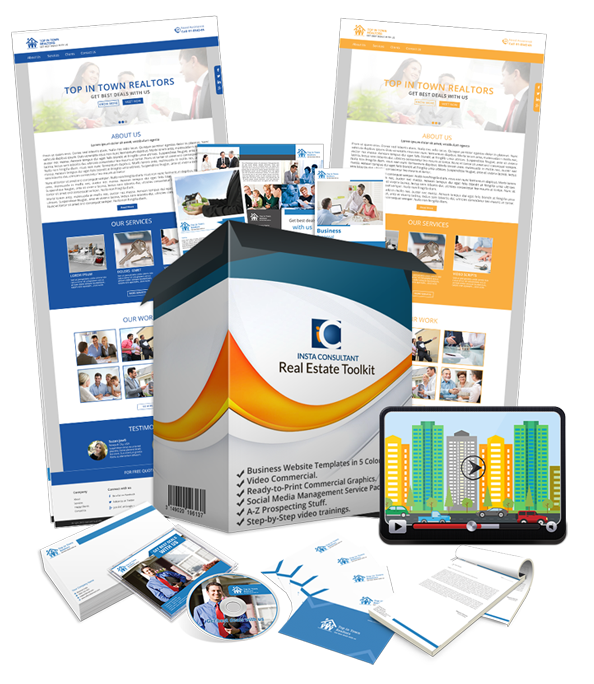
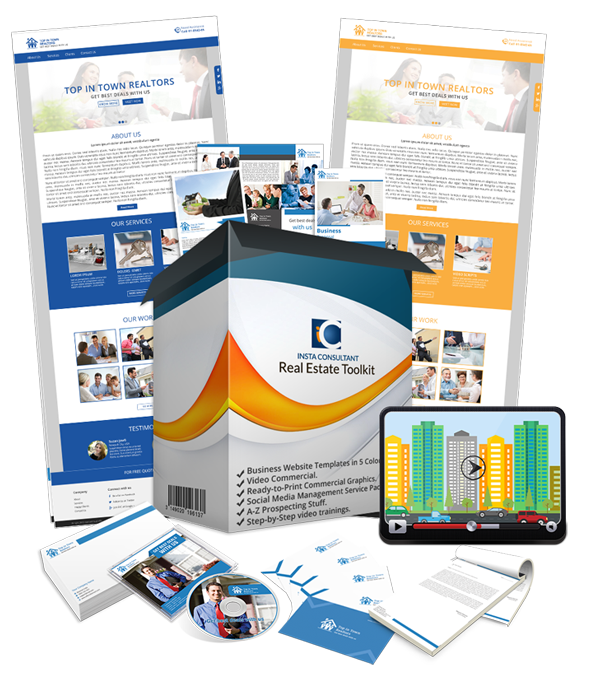
INSTA REAL ESTATE CONSULTANT TOOLKIT
Amazing Toolkit Gives You the INSTANT AUTHORITY to Start your Local Consulting Agency in Next 7 Minutes… and Charge Real Estate Agents $1000+ Again and Again…
Discover and learn now the secret how to buy foreclosed homes with no money!
Foreclosure real estate refers to properties that have been repossessed by a lender (typically a bank or mortgage company) because the homeowner failed to meet the terms of their mortgage, usually by missing multiple payments. Investors and individuals can purchase these properties, often at a discount, and potentially profit from them. Here’s a breakdown of the unique mechanisms and concepts involved in making money through foreclosure real estate:
1. The Foreclosure Process
Default: The homeowner misses mortgage payments, triggering the foreclosure process.
Pre-Foreclosure: The lender issues a notice of default, giving the homeowner a chance to catch up on payments or sell the property (often as a “short sale”).
Auction: If the homeowner doesn’t resolve the default, the property is sold at a public auction.
Bank-Owned (REO): If the property doesn’t sell at auction, it becomes real estate owned (REO) by the lender, who may then sell it through traditional channels.
2. Opportunities to Make Money
Buying at a Discount: Foreclosed properties are often sold below market value because lenders want to recover their losses quickly.
Flipping: Investors buy foreclosed properties, renovate them, and sell them at a higher price.
Renting: Investors can rent out foreclosed properties for passive income.
Wholesaling: Investors secure contracts on foreclosed properties and sell the contracts to other buyers for a fee.
3. Key Strategies
Pre-Foreclosure Investing:
Investors approach homeowners in default and offer to buy the property before it goes to auction.
This can involve negotiating a short sale with the lender (where the lender agrees to accept less than the owed amount).
Auction Purchases:
Investors bid on properties at foreclosure auctions.
Auctions often require cash or cash-equivalent payments, and properties are sold “as-is,” meaning the buyer assumes all risks.
REO Purchases:
Buying bank-owned properties after the auction.
These properties are typically listed on the market and may be in better condition than auction properties.
4. Risks and Challenges
Property Condition: Foreclosed properties are often sold “as-is,” and may require significant repairs.
Title Issues: There may be liens or legal complications associated with the property.
Competition: Foreclosure investing can be competitive, especially in hot markets.
Ethical Considerations: Dealing with distressed homeowners requires sensitivity and ethical practices.
5. Why It Works
Motivated Sellers: Lenders want to offload foreclosed properties quickly to minimize losses.
Below-Market Prices: Discounted prices provide room for profit through resale or rental income.
Market Demand: In many areas, there is consistent demand for affordable housing, making foreclosure properties attractive to buyers.
6. Steps to Get Started
Research: Learn about the foreclosure process and local laws.
Find Deals: Use foreclosure listings, public records, or work with a real estate agent specializing in foreclosures.
Secure Financing: Have cash or financing ready, as auctions often require immediate payment.
Inspect Properties: Assess the condition and potential repair costs.
Negotiate: Work with lenders or homeowners to secure the best deal.
Foreclosure real estate can be a lucrative investment strategy, but it requires knowledge, due diligence, and a willingness to take on risks. Successful investors often combine market research, financial analysis, and hands-on property management skills to maximize profits.
The “How To Buy Foreclosed Homes” course teaches you step by step how to identify, evaluate, and purchase foreclosed properties. You will discover essential strategies to take advantage of real estate opportunities while avoiding common pitfalls. Ideal for investors and buyers looking for below-market deals!
How to Buy Foreclosed Homes: A Comprehensive Curriculum
This course provides a comprehensive guide to navigating the foreclosure real estate market, from identifying potential deals to maximizing your profits. We’ll cover the entire process, including traditional foreclosure purchases, a unique “Rent-to-Own Homes Tour” strategy, automation techniques, and real-world case studies.
I. Steps of the Foreclosure System: Mastering the Fundamentals
This section breaks down the traditional foreclosure process into five key steps, giving you a solid foundation for successful investing.
Step 1: Get the List:
Identifying reliable sources for foreclosure lists (public records, online databases, real estate agents).
Understanding different types of foreclosure lists (pre-foreclosure, auction, REO).
Building your own targeted list based on your investment criteria.
Step 2: Market to Motivated Sellers:
Crafting compelling offers that stand out.
Effective communication strategies for dealing with distressed homeowners.
Negotiating tactics to secure the best possible deal.
Step 3: Analyze the Deal:
Performing due diligence: title searches, property inspections, and market analysis.
Calculating potential profit margins and return on investment.
Identifying potential risks and red flags.
Step 4: Control the Property:
Securing the property and protecting your investment.
Managing repairs and renovations (if necessary).
Understanding legal considerations and tenant rights (if applicable).
Step 5: Choose Your Exit Strategy:
Different exit strategies: wholesaling, rehabbing, renting, or owner-occupying.
Evaluating which strategy best aligns with your financial goals and risk tolerance.
Developing a clear exit plan for each property.
II. “Rent-to-Own Homes Tour” Process: Selling Properties Quickly and Efficiently
This section introduces a unique and powerful strategy for quickly selling your acquired properties.
Step 1: Build Your Buyers List:
Identifying potential rent-to-own buyers through targeted marketing.
Pre-qualifying buyers and understanding their needs.
Creating a database of qualified leads.
Step 2: (Missing Step in Original Structure – Assumed to be “Prepare the Properties”):
Preparing the properties for showing, including necessary repairs and cleaning.
Staging the homes to highlight their best features.
Setting competitive rent-to-own terms.
Step 3: Promote the Event:
Marketing the “Rent-to-Own Homes Tour” through various channels (online, social media, local advertising).
Creating buzz and generating excitement for the event.
Step 4: Manage the Open House Frenzy:
Organizing and managing the open house event efficiently.
Handling multiple potential buyers and answering their questions.
Collecting applications and screening tenants.
Step 5: Close Multiple Deals:
Negotiating lease-option agreements and securing deposits.
Streamlining the closing process and ensuring smooth transitions.
Building long-term relationships with rent-to-own buyers.
III. Automation Foreclosure: Working Smarter, Not Harder
This section explores how to leverage automation to maximize your efficiency and scale your foreclosure business.
Step 1: Understand the Value of Your Time:
Recognizing the importance of time management in real estate investing.
Identifying tasks that can be automated to free up your time.
Step 2: Define Automation:
Understanding different types of automation tools and software.
Identifying key processes that can be automated (lead generation, marketing, communication).
Step 3: Address Common Automation Misconceptions:
Debunking myths about automation being impersonal or ineffective.
Understanding the importance of personalized communication even with automation.
Step 4: Implement the Four Steps to Automation:
Identifying your target audience and their needs.
Selecting the right automation tools for your business.
Creating automated workflows and systems.
Tracking your results and making adjustments as needed.
Step 5: Project Your Potential Earnings:
Calculating the ROI of automation and its impact on your bottom line.
Forecasting your potential earnings with increased efficiency and scale.
Q&A Summary: A dedicated session to address student questions and clarify any concepts covered in the course.
IV. Case Study: Property Rehabilitation and Staging: A detailed analysis of a successful property rehabilitation project, including before-and-after photos and cost breakdowns.
V. Case Study: Purchasing and Renovating a Property by Auction: A step-by-step guide to purchasing a property at auction, including tips for bidding and navigating the auction process.
VI. Case Study: Renovating and Transforming a House with Potential: A case study showcasing how to identify and renovate a property with untapped potential, maximizing its value and appeal.
Amazing Toolkit Gives You the INSTANT AUTHORITY to Start your Local Consulting Agency in Next 7 Minutes… and Charge Real Estate Agents $1000+ Again and Again…
No CODING, NO DESINGING SKILLS NEEDED
Stop dreaming about a house, buy one foreclosed! Learn now step by step how to buy foreclosed homes!
Win The Battle Against Foreclosure and Secure Your Financial Future!
Get All The Support And Guidance You Need to Successfully Beat Foreclosure!
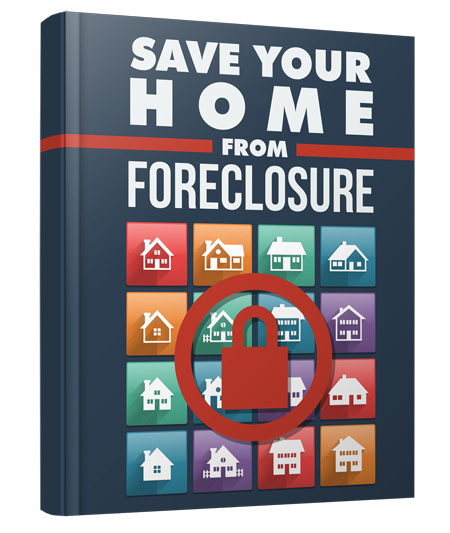
This book is your essential resource for understanding and overcoming foreclosure challenges. It’s packed with proven strategies that can help you save your home and protect your finances—without confusion or wasted time.
Are you struggling to figure out how to deal with foreclosure? Perhaps you’ve tried multiple solutions, but nothing seems to work. You’re not alone, and this guide is here to change that.
Why This Guide Is Crucial
Foreclosure doesn’t just threaten your home—it impacts your financial security, emotional well-being, and future stability. This book teaches you how to take control of the situation, avoid common scams, and find the best path forward.
It’s a must-read for anyone who:
Doesn’t know where to start when facing foreclosure.
Feels overwhelmed by the legal or financial jargon.
Wants to avoid falling victim to foreclosure scams.
What’s Inside: Your Step-by-Step Roadmap
1. Understanding Foreclosure Basics Learn what foreclosure really is and the key factors that lead to it.
2. Ways to Save Your House Explore practical solutions to prevent foreclosure and stay in your home.
3. Knowing When to Let Go Recognize the signs when walking away is the best financial decision.
4. Fighting Foreclosure in Court Understand your legal options and how to build a strong defense.
5. Beware of Scams Identify and avoid predatory scams that take advantage of struggling homeowners.
6. Rebuilding Credit Learn how to bounce back financially, even after foreclosure.
Why Act Now?
The cost of inaction is too high. Every moment counts when you’re facing foreclosure. This guide can help you save your home, avoid unnecessary losses, and regain your financial confidence.
Don’t let foreclosure define your future. Take charge with this comprehensive guide.
What Makes This Book Different?
Clear and Actionable Steps: You’ll find easy-to-follow strategies to navigate foreclosure effectively.
Real-World Advice: Written by someone who understands the challenges firsthand, this book gives you proven solutions.
Comprehensive Coverage: From saving your home to rebuilding your credit, this book has you covered.
Special Guarantee
You can test-drive this guide for a full 30 days. If you’re not satisfied, you’ll receive a 100% refund—no questions asked.
Grab Your Copy Today!
Don’t wait until it’s too late. Take control of your financial future today.
P.S. Your home and financial stability are worth the investment. With nothing to lose and everything to gain, secure your copy today and take the first step toward reclaiming your peace of mind.
P.P.S. Opportunities like this don’t come often. Don’t miss out on the chance to save your home and protect your future.
Are you struggling to navigate the foreclosure process? Feeling overwhelmed and unsure of where to turn for help? You don’t have to face this battle alone.
Introducing “Win The Foreclosure Battle”—your ultimate guide to taking back control of your financial situation and protecting your home. This eBook is packed with actionable strategies and expert insights to help you fight back, save your house, and rebuild your credit.
Here’s What You’ll Learn Inside This Life-Saving Guide:
🏡 Understanding Foreclosures – The Basics: Get a clear understanding of what foreclosure means, how the process works, and what options are available to you.
💡 Practical Ways to Save Your House: Discover proven strategies and financial tools to keep your home—even when times are tough.
📅 When to Let Go – A Tough but Important Decision: Learn how to evaluate your situation and decide if walking away is the best option for your future.
⚖️ Fighting Foreclosure in Court: Find out how to build a solid defense against foreclosure and understand your rights in the courtroom.
🚨 Avoiding Foreclosure Scams: Foreclosure scams can ruin your finances even further. Learn how to spot and avoid these fraudulent schemes.
💳 Rebuilding Personal and Business Credit: Reclaim control of your financial health with practical tips to repair your credit and bounce back stronger.
Why You Need This eBook Now
Foreclosure is a time-sensitive issue, and acting quickly can make all the difference. Whether you’re trying to save your home, protect your finances, or simply make the best decision for your family, this eBook provides the guidance you need to navigate these turbulent times.
Who Is This eBook For?
Homeowners facing the threat of foreclosure.
Individuals seeking to protect their finances and rebuild their credit.
Anyone looking to understand the foreclosure process and fight back with confidence.
Take Back Control Today – Your Home and Financial Security Are Worth It!
Don’t let foreclosure define your future. “Win The Foreclosure Battle” equips you with the tools, knowledge, and confidence to fight back.
Unlock the Secrets to Building Wealth Like the Ultra-Rich!
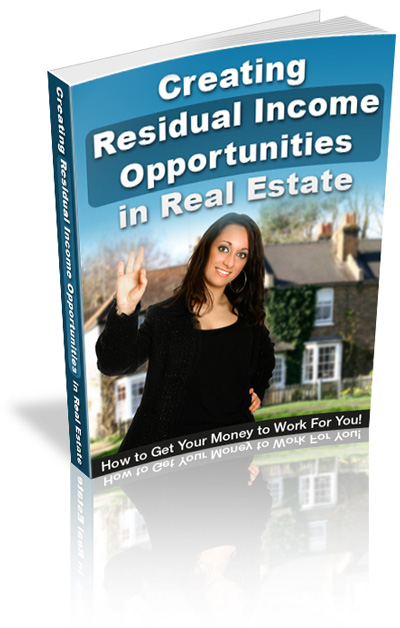
Imagine waking up every morning with money flowing into your bank account—no stress, no hassle, just steady, reliable income. Now it’s your turn to live the dream of creating passive real estate income streams that work for you 24/7.
Introducing our eBook: “Passive Real Estate Income Secrets”—a comprehensive 30-page, 7000-word guide designed to teach you the exact strategies the ultra-wealthy use to grow their wealth through real estate.
Here’s What You’ll Learn Inside This Transformational eBook:
💰 How to Buy Income-Generating Mortgages at a Discount: Follow simple, step-by-step instructions and learn how to earn 30% or more on your investments every year.
🏠 How to Make Money with Foreclosures: Uncover the insider secrets to profiting from foreclosure opportunities and unlock a whole new level of financial freedom.
📈 The Foundation of Passive Income Streams: Get a deep understanding of how real estate can work for you—so your money makes money, even when you’re asleep.
🛠️ Actionable Strategies: This isn’t fluff or theory. Every page is packed with real-world tips you can implement right away to start building your passive income streams.
Why This eBook Is a Game-Changer for Aspiring Investors:
📖 Easy to Read and Implement: No complex jargon—just straightforward advice. 🛡️ Proven Tactics: Learn strategies backed by real-life success stories from savvy investors. 💵 Scalable Strategies: Whether you’re starting with a small budget or ready to make big moves, this guide has something for everyone.
Who Is This eBook For?
Anyone tired of trading time for money and ready to let their investments work for them.
Aspiring investors who want to learn how to generate passive income through real estate.
Professionals seeking a step-by-step roadmap to building long-term wealth.
Take Control of Your Financial Future Today!
The ultra-wealthy don’t leave their financial success to chance—and neither should you. With the strategies in “Passive Real Estate Income Secrets,” you’ll have the tools and knowledge to start building wealth today, not someday.
📖 Ready to get started? Click the button below to download your copy and begin your journey to financial freedom!